




MBBS, MRCS(EDIN), MMED(SURG), FRCS(UROL) (RCPSG), FAMS(UROL)

BSC(Monash), MBBS(NSW), FRCS(Glasgow), FRACS, MMED(Surgery), FAMS(Urol)

Noticing a red or pink tinge in your urine is likely to spark immediate alarm. While blood in the urine (haematuria) is not always caused by a serious condition, it should still be assessed promptly so that the source of the bleeding can be identified. This can greatly improve your peace of mind, especially after experiencing such a shocking symptom.
For the sake of reassurance, it is often better to speak to a urologist early rather than live with uncertainty. A proper review allows your symptoms to be evaluated in a clear and structured way, allowing your doctor to address the underlying cause.
Understanding Blood in Urine
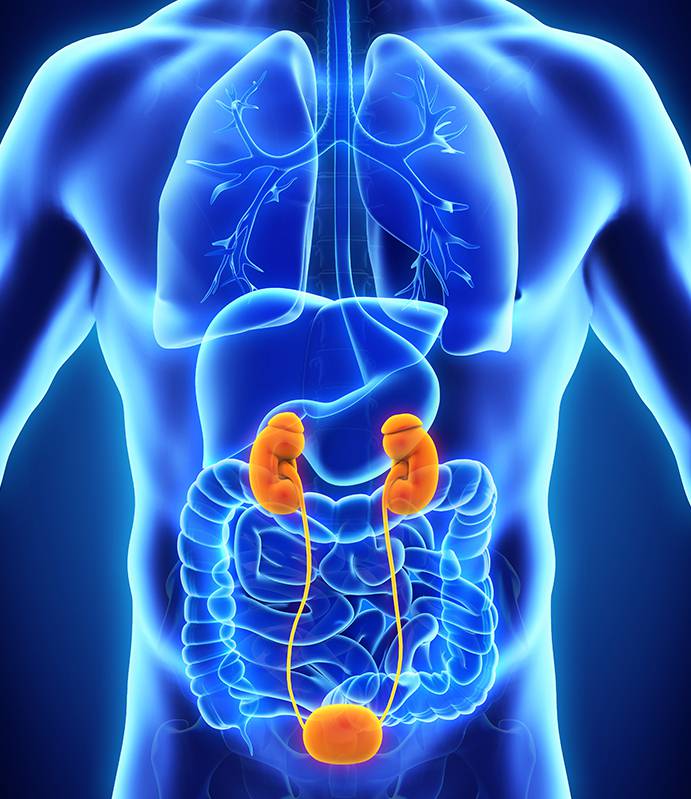
The medical term for blood in the urine is haematuria. It occurs when red blood cells enter the urinary tract, which includes the kidneys, ureters, bladder and urethra. There are two main types:
- Gross Haematuria: This type of haematuria is visible to the naked eye, meaning the urine appears red, pink or cola-coloured. Even a tiny amount of blood can change the colour of your urine noticeably.
- Microscopic Haematuria: This variety of haematuria is not immediately noticeable. The presence of blood cells is only detected through laboratory testing of a urine sample. This is often discovered incidentally during routine health screening.
Blood in the urine should never be ignored, as it can signal a serious underlying condition requiring prompt attention from a specialist.
Common Causes of Blood in Urine
The source of the bleeding can originate anywhere along the urinary tract. Here are some of the most common direct causes:
Urinary Tract Infections (UTIs)
UTIs are one of the most frequent causes of haematuria, particularly in women. They occur when bacteria enter the urinary tract, causing inflammation and bleeding. In addition to blood, a UTI typically causes a strong, persistent urge to urinate small amounts, accompanied by a burning sensation during urination.
Bladder or Kidney Stones
Kidney stones are hard deposits of minerals and salts that form inside the kidneys or bladder. When kidney stones pass through the urinary tract, they can irritate the lining. This often leads to gross or microscopic haematuria and severe, debilitating pain, usually in the side or back.
Cancer of the Bladder, Kidney or Prostate
In older adults, particularly those over 50, blood in the urine can be a critical early warning sign of cancer, often of the bladder or kidney. Crucially, bleeding from these cancers is frequently painless, which can lead to delayed consultation. Early blood in urine screening is vital, as early detection significantly improves prognosis.
In men, prostate cancer can also sometimes cause haematuria.
Other Causes of Blood in the Urine
In addition to infections or stones, several other factors can lead to haematuria, including:
- Kidney Disease (Glomerulonephritis): Inflammation of the kidney's filtering units (glomeruli) can be part of a systemic disease or unique to the kidney.
- Vigorous Exercise: Intense or prolonged physical activity, such as long-distance running, can sometimes cause temporary blood in the urine, possibly related to dehydration or bladder irritation.
- Injury to the Kidneys: A blow to the back or side from an accident or contact sport can result in blood in the urine due to trauma.
- Medications: Certain drugs, such as the anti-cancer drug cyclophosphamide or the anticoagulant heparin, can cause urinary bleeding.
Accompanying Symptoms of Blood in the Urine
While the most noticeable sign is a change in urine colour, blood in the urine may be associated with other symptoms. These can include:
- Pain: Pain during urination (dysuria), flank pain in the side or back or abdominal discomfort may be present, particularly with infections or kidney-related conditions.
- Changes in Urination: Symptoms may include a frequent or urgent need to urinate, difficulty passing urine or a weak urine stream.
- Fever and Chills: Fever and chills may accompany haematuria and other symptoms when an infection is the cause.
- Fatigue: Fatigue and a general sense of exhaustion may occur in cases linked to chronic kidney diseases and cancer-related conditions.
- Unintended Weight Loss: Experiencing weight loss alongside haematuria may indicate damage to your kidneys.
- High Blood Pressure: If you have previously been diagnosed with high blood pressure or develop it at the same time you experience blood in your urine, you may be suffering from kidney damage or exhibiting a symptom of cancer.
These symptoms can be attributed to conditions that require immediate medical attention, making it vital to see a urologist if you experience them alongside blood in your urine.
When Should I See a Doctor for a Haematuria Diagnosis?
Any amount of blood in the urine should be assessed by a healthcare professional, even if it occurs only once, is painless or disappears on its own. Persistent or recurrent haematuria always requires further evaluation, as it may be a sign of a serious condition.
If you notice blood in your urine, try to stay calm and arrange a medical review promptly. Take note of relevant details such as when the bleeding started, the urine colour, any associated pain and recent factors like strenuous exercise or new medications.
Treatment and Prevention Options for Blood in Urine
Management of haematuria focuses on identifying and treating the underlying cause. In addition, lifestyle measures may help reduce the risk of certain conditions associated with blood in the urine.
Haematuria Treatment
Since haematuria is a symptom, not a disease, treatment focuses entirely on addressing the underlying cause.
- Infections: When a urinary tract infection is responsible, treatment usually involves antibiotics.
- Kidney Stones: Small kidney stones may pass on their own with adequate hydration. Larger or obstructive stones may require further treatment such as shock wave lithotripsy to break them down or ureteroscopy to remove them.
- Cancers: In the event that haematuria is caused by bladder cancer, kidney cancer or prostate cancer, management may include surgery, chemotherapy, radiotherapy or immunotherapy.
- Kidney Disease: Treatment must address the underlying kidney condition, and may involve medications to manage blood pressure and reduce inflammation.
Accurate diagnosis is essential to guide treatment. Specialists may use urine and blood tests, imaging studies such as ultrasound or CT scans and procedures like cystoscopy to identify the source of bleeding and plan appropriate care.
Preventing Blood in Urine
While not all causes of haematuria are preventable, certain lifestyle measures may help reduce the risk of conditions associated with blood in the urine. Key preventive measures include:
- Hydration: Drinking plenty of fluids, especially water, helps dilute the urine and ensures more frequent flushing of bacteria and minerals, reducing the risk of UTIs and stone formation.
- Healthy Diet: A balanced diet that limits excess salt, animal protein and foods associated with stone formation can help reduce the risk of recurrent kidney stones. Dietary recommendations may vary depending on the type of stone and individual health factors.
- Avoid Smoking: Smoking is a major risk factor for bladder cancer, a significant cause of haematuria. Abstinence from smoking is one of the most effective preventive measures.
Addressing Haematuria With Specialist Care at Tan Urology

The presence of blood in the urine is a signal from your body that should not be ignored. In order to understand the cause of your symptoms and put a stop to them, it is important to seek out a professional. Consulting a urologist can help you move forward with peace of mind.
At Tan Urology, we strive to address and acknowledge the unique needs of each patient. Our experienced urologists, Dr Lincoln Tan and Dr Robert Tan, ensure that each case is treated with the utmost discretion and professionalism. Contact us today to find out more or to book an appointment.
Meet Our Urologists

Dr Lincoln Tan
MBBS, MRCS(Edin), MMED(Surg), FRCS(Urol)(RCPSG), FAMS(Urol)
Dr Lincoln Tan is experienced in managing a wide range of urological conditions, with particular expertise in minimally invasive laparoscopic and robotic-assisted surgery. He is actively involved in advancing evidence-based approaches to improve diagnostic accuracy and clinical decision-making. As principal investigator in the first local study validating the Prostate Health Index for cancer risk assessment, he has contributed to reducing unnecessary biopsies and has been among the clinical leads introducing freehand, office-based transperineal biopsies in Singapore. Dr Tan is committed to comprehensive, patient-centred urological care.

Dr Robert Tan Tin Kiat
BSC(Monash), MBBS(NSW), FRCS(Glasgow), FRACS, MMED(Surgery), FAMS(Urol)
Dr Robert Tan has over 35 years of experience in the diagnosis and management of a wide range of urological conditions. As one of the first urologists in Singapore to perform transurethral resection of the prostate, he has played a key role in advancing minimally invasive urological care. A founding member of the Singapore Urological Association, Dr Tan is also a local pioneer in non-invasive urinary stone treatment, including extracorporeal shockwave lithotripsy. His practice emphasises careful assessment and personalised care supported by appropriate medical technology.