





MBBS, MRCS(EDIN), MMED(SURG), FRCS(UROL) (RCPSG), FAMS(UROL)

BSC(Monash), MBBS(NSW), FRCS(Glasgow), FRACS, MMED(Surgery), FAMS(Urol)
Experiencing urinary or reproductive health concerns and unsure which urologist to trust? The specialist you choose plays an important role in how your condition is assessed, treated and followed up. While Singapore has many qualified urologists, the right choice involves more than reviewing credentials. Clear communication, relevant experience and a doctor who takes time to understand your concerns all matter. In this guide, we outline the key factors to consider when choosing a urologist in Singapore, so you can make an informed decision with confidence. Keep reading to learn how to find the right fit for your needs.
Understanding the Role of a Urologist
A urologist is a medical doctor who diagnoses and treats conditions affecting the urinary tract in both men and women, as well as disorders of the male reproductive system. Urology covers both non-surgical and surgical care, and when an operation is required, a urologist is the specialist trained to perform it.
Common conditions managed by urologists include kidney stones, bladder and prostate cancers, urinary incontinence, benign prostatic hyperplasia (BPH), urinary tract infections (UTIs), erectile dysfunction and male infertility.
Modern urology is further divided into sub-specialties that allow for more focused and advanced care, such as:
- Uro-oncology: Treatment of cancers of the kidney, bladder, prostate and testes
- Endourology: Minimally invasive procedures for kidney stones and upper urinary tract conditions
- Female Urology: Addresses issues such as overactive bladder, urinary incontinence and pelvic floor prolapse
- Paediatric Urology: Treats urinary and genital conditions in infants, children and adolescents
- Reconstructive Urology: Manages trauma, blockages and congenital abnormalities of the urinary tract
9 Factors to Consider When Choosing a Urologist in Singapore
The following factors can guide your decision-making process and help ensure the specialist you choose aligns with your medical and personal needs.
1. Credentials and Training
Start by reviewing the urologist’s formal qualifications. In Singapore, the doctor should be registered as a specialist with the Singapore Medical Council (SMC), which confirms completion of accredited training. Additional fellowship training is also worth noting, as it reflects deeper expertise in specific or complex areas of urology.
2. Experience and Track Record
Experience matters, especially for complex conditions or procedures. During your consultation, don’t hesitate to ask how often the doctor has treated cases like yours. A reputable urologist should be transparent about their track record and the results they usually achieve. Seeing that they’ve handled a high volume of similar cases can also give you added confidence in their expertise.
3. Subspecialty and Match for Your Condition
Urology is a broad field, and not every urologist focuses on the same areas. If you are seeking care for a specific issue—such as prostate cancer or recurrent kidney stones—it is important to choose a specialist who manages that condition regularly.
Matching the doctor’s subspecialty to your clinical needs matters. For example, a urologist whose practice centres on male prostate health may not be the most suitable choice for a complex female urological condition.
4. Hospital or Clinic Affiliation and Infrastructure
Where your urologist practises can influence the quality and scope of care available to you. Well-equipped hospitals and specialist centres in Singapore often provide access to advanced imaging, minimally invasive technology and robotic-assisted systems. Strong institutional support also suggests the urologist works closely with a multidisciplinary team, enabling more coordinated care.
5. Communication Style and Patient Comfort
Many urological conditions involve sensitive or deeply personal concerns, so it’s important that you feel comfortable talking openly about your symptoms and worries. A good urologist will take the time to explain your diagnosis, walk you through all suitable treatment options, and involve you in decisions about your care. Knowing that your concerns are heard and understood can help make the whole process far less stressful.
6. Gender, Language and Cultural Fit
For some patients, the doctor’s gender may influence comfort levels, particularly when discussing intimate issues. Others may prioritise the ability to communicate in a shared language or value cultural sensitivity. These considerations are valid and can significantly affect how well you engage with your care plan.
7. Accessibility, Availability and Continuity of Care
When managing a urological condition, practical matters can make a big difference. Consider how easy it is for you to book appointments, the typical waiting times for tests or procedures, and whether there’s a clear plan for follow-up care. Choosing a urologist whose practice is well-organised ensures you receive consistent support and guidance every step of the way.
8. Cost, Insurance and Financial Considerations
Confirm whether the urologist is on your insurance panel and request a transparent breakdown of consultation fees, investigations and procedural costs. Understanding the financial aspects early helps you plan confidently and avoid unexpected expenses.
9. Patient Reviews and Reputation
While online reviews should be approached with caution, consistent patterns can offer insight into a doctor’s communication style and professionalism. That said, referrals from your general practitioner (GP) remain one of the most reliable ways to assess a urologist’s clinical reputation within Singapore’s medical community.
Signs a Urologist May Not Be the Right Fit
Recognising when a specialist may not be suitable is just as important as knowing what to look for. You may wish to seek a second opinion if you encounter the following:
- Vague Explanations: Difficulty understanding your diagnosis, the reasoning behind proposed treatments or the possible side effects may indicate a lack of clear communication.
- Limited Relevant Experience: Little evidence of subspecialty focus related to your condition.
- Poor Communication: Frequent interruptions, rushed consultations or incomplete answers can undermine your ability to participate fully in your care.
- Lack of Treatment Options: Only one approach offered without discussing alternatives or conservative management may suggest a limited perspective.
- Unclear Billing Practices: Ambiguity around consultation charges, procedural fees or additional costs can create uncertainty and may warrant clarification or a second opinion.
- Negative Reputation: Consistent negative feedback from patients or concerns raised by your primary care doctor should prompt careful reconsideration.
Making a Confident and Informed Choice
At the end of the day, choosing a urologist is a personal decision that requires balancing medical expertise with trust and communication. By taking the time to verify credentials, assess relevant experience and prioritise a doctor who engages openly with you, you place yourself in a stronger position to manage your health proactively.
If you’re looking for a urologist in Singapore who combines expertise with personalised care, don’t wait to take the next step. Reach out today to discuss your concerns and explore the treatment options best suited for your long-term health and peace of mind.
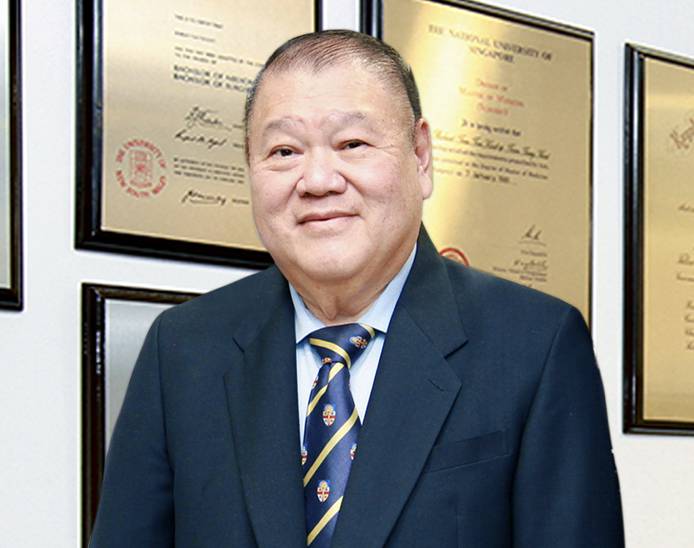
Dr Robert Tan Tin Kiat
Dr Robert Tan is a consultant urologist with more than 35 years of clinical experience. He began his career at Tan Tock Seng Hospital, where he was involved in the early use of Transurethral Resection of the Prostate (TURP), a procedure that continues to be widely used for the management of BPH. Since 1984 he has been in private practice at Gleneagles Hospital, caring for a broad range of patients over the years. Dr Tan is also one of the founding members of the Singapore Urological Association.

Dr Lincoln Tan
Dr Lincoln Tan is a consultant urologist and accredited robotic surgeon practising at Mount Elizabeth Hospital. Before joining Tan Urology, he served as director of Urologic Oncology at the National University Hospital and the National Cancer Institute of Singapore, where he continues as a visiting consultant. He is trained across the full spectrum of urology, with a focus on minimally invasive techniques, including laparoscopic and robotic-assisted surgery for prostate and kidney cancers.