




MBBS, MRCS(EDIN), MMED(SURG), FRCS(UROL) (RCPSG), FAMS(UROL)

BSC(Monash), MBBS(NSW), FRCS(Glasgow), FRACS, MMED(Surgery), FAMS(Urol)
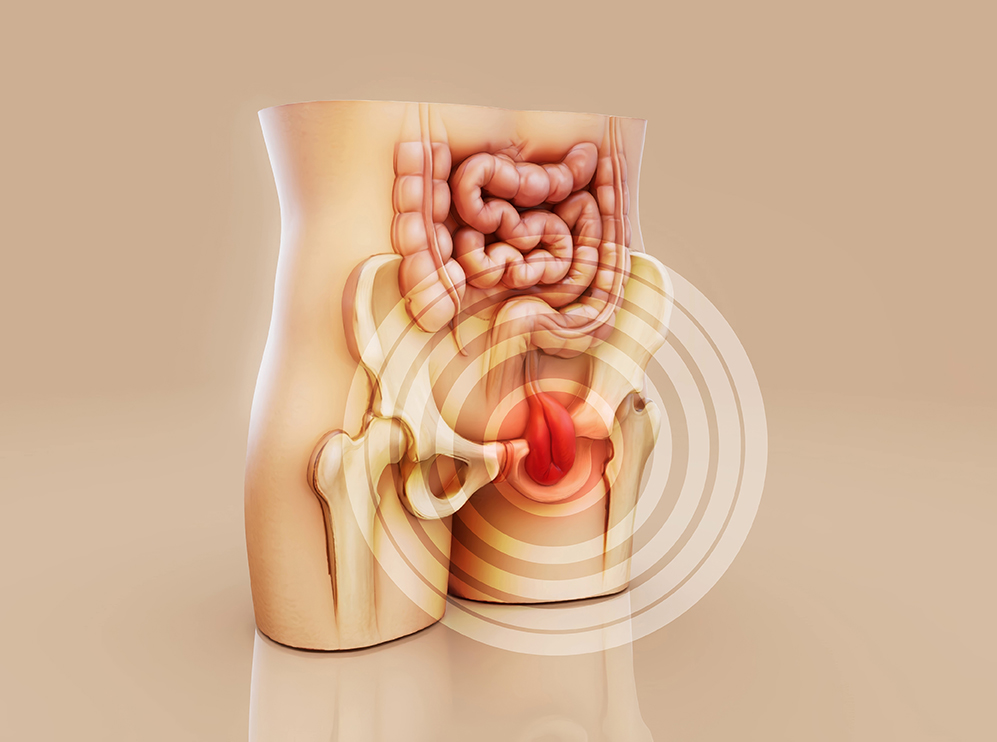
A hernia is an often painful medical condition where an organ, such as a loop of the bowel, protrudes through a weakened area of muscle or connective tissue. While hernias can occur in different parts of the body, femoral hernias are considered one of the more serious types because they occur near major blood vessels and may worsen quickly if left untreated.
Femoral hernias occur when tissue pushes through the abdominal wall into the femoral canal. This canal lies just below the inguinal ligament in the groin and contains important structures such as the femoral artery, femoral vein and nearby nerves.
Because of their location, femoral hernias can be harder to detect early and may become serious if left untreated. Understanding what to look out for can help you seek treatment early and reduce the risk of complications.
What Are the Signs and Symptoms of Femoral Hernias?
Femoral hernias may present as a small bulge near the groin or upper thigh, typically just below the groin crease. The most obvious sign is the presence of a visible lump, or a swelling in the upper thigh or groin that may become more noticeable when standing, coughing, lifting or straining. In some cases, the lump may reduce in size or disappear when lying down or with gentle pressure.
In the early stages, the hernia may cause little to no discomfort and is sometimes detected only during a physical examination. Over time, symptoms may become more noticeable, particularly during activities that increase abdominal pressure.
Common symptoms may include:
- Groin Discomfort or Pain: Pain or aching in the groin area, especially during activities such as lifting, coughing or prolonged standing.
- Signs of Obstruction (Urgent): A lump that becomes firm, tender and cannot be pushed back into place may indicate obstruction. If blood flow to the trapped tissue is compromised, a strangulated hernia can develop, which is a medical emergency.
- Severe Abdominal Symptoms: Intense abdominal pain, nausea and vomiting may occur with a strangulated hernia and require immediate medical attention. Emergency surgery is often needed to prevent tissue damage.
Although femoral hernias may initially appear painless or insignificant, they carry a higher risk of complications than other groin hernias. Prompt medical assessment is therefore recommended, even when symptoms are mild.
How Are Femoral Hernias Different From Other Hernias?
The key difference between a femoral hernia and other common hernias lies in its location. Femoral hernias occur lower in the groin, near the upper thigh, passing through the femoral canal adjacent to major blood vessels. In contrast, inguinal hernias develop higher in the groin and are far more common.
Because the femoral canal is narrow, femoral hernias have a higher risk of becoming trapped (incarcerated) or having their blood supply compromised (strangulated). These complications can develop suddenly and require urgent medical attention. For this reason, urgent hernia surgery is often recommended as soon as possible, with the aim of completely repairing the hernia. Your surgeon will advise you on the most suitable surgical approach based on the size of the hernia, your symptoms and your overall health.
What Are the Risk Factors for Developing a Femoral Hernia?
Although femoral hernias can occur in anyone, certain factors increase the likelihood of developing this condition. Risk factors include:
- Chronic Straining: Activities that repeatedly increase abdominal pressure, such as chronic coughing, straining during urination due to an enlarged prostate or long-term constipation, can contribute to hernia formation.
- Gender: Femoral hernias are significantly more common in women, partly due to anatomical differences in the pelvis and femoral canal.
- Increasing age: Age-related weakening of connective tissues raises the risk of hernia development.
- Pregnancy: The physical strain and hormonal changes associated with multiple pregnancies can weaken abdominal muscles.
- Previous Abdominal Surgery: Previous abdominal or groin surgery may increase the risk due to changes in the surrounding tissues, potentially increasing risk in the femoral area.
- Heavy Lifting: Regular heavy lifting at work or during physical activities can raise intra-abdominal pressure and increase risk.
- Obesity: Excess body weight can place additional strain on the abdominal wall and groin, potentially increasing risk.
Diagnosing and Treating Femoral Hernias
Once a femoral hernia is suspected, the next step is a medical evaluation. Your doctor will be able to confirm the diagnosis and determine how urgently you may need treatment. They can also advise you on the most appropriate surgical approach based on your symptoms and overall condition.
Diagnosis
Diagnosing a femoral hernia usually begins with a physical examination by a medical professional. The doctor will review your symptoms and medical history, then examine the area around your groin to check for swelling and assess whether it can be pushed back into place. You may be asked to cough or strain, as this can make the bulge more noticeable.
If the diagnosis is uncertain or there is concern about complications, imaging studies may be requested. Tests such as a groin ultrasound or MRI scan can help locate the hernia more precisely and assess the surrounding structures. These findings assist the surgeon in planning the most appropriate approach for hernia repair surgery.
Femoral Hernia Repair Treatment
Unlike some other types of hernia, femoral hernias are rarely managed with observation alone. Surgery is usually recommended soon after diagnosis, due to the high risk of complications.
The main surgical approaches include:
- Laparoscopic Hernia Surgery (Keyhole Surgery): Often the preferred method, this technique is performed using several small incisions, a camera and specialised instruments. It often results in less post-operative pain and a quicker recovery time.
- Open Hernia Repair: This involves a single, larger incision made directly over the hernia site. While more traditional, it is sometimes necessary for complicated cases or when the hernia has become incarcerated or strangulated.
Both surgical approaches typically involve reinforcing the weakened area with synthetic material, a technique known as hernia mesh repair. Surgery aims to return the protruding tissue to the abdomen and securely close or strengthen the defect. Before the procedure, your surgeon will discuss the expected recovery timeline with you and ensure you have an understanding of the process.
When Is Surgery Required for a Femoral Hernia?

When it comes to femoral hernias, surgery is almost always recommended promptly. Once your urologist or surgeon identifies that you’ve developed a hernia, it is vital to move forward with treatment. This condition has a high risk of developing severe, life-threatening complications, making it a high priority for specialist care.
Consulting an accredited hernia repair surgeon ensures that treatment is appropriately planned and managed. At Tan Urology, we provide personalised assessment and treatment plans for each patient. Our experienced urologists, Dr Lincoln Tan and Dr Robert Tan, ensure that each case is treated with the utmost discretion and professionalism. Contact us today to arrange an assessment and figure out your next steps.
Meet Our Urologists

Dr Lincoln Tan
MBBS, MRCS(Edin), MMED(Surg), FRCS(Urol)(RCPSG), FAMS(Urol)
Dr Lincoln Tan is experienced in managing a wide range of urological conditions, with particular expertise in minimally invasive laparoscopic and robotic-assisted surgery. He is actively involved in advancing evidence-based approaches to improve diagnostic accuracy and clinical decision-making. As principal investigator in the first local study validating the Prostate Health Index for cancer risk assessment, he has contributed to reducing unnecessary biopsies and has been among the clinical leads introducing freehand, office-based transperineal biopsies in Singapore. Dr Tan is committed to comprehensive, patient-centred urological care.

Dr Robert Tan Tin Kiat
BSC(Monash), MBBS(NSW), FRCS(Glasgow), FRACS, MMED(Surgery), FAMS(Urol)
Dr Robert Tan has over 35 years of experience in the diagnosis and management of a wide range of urological conditions. As one of the first urologists in Singapore to perform transurethral resection of the prostate, he has played a key role in advancing minimally invasive urological care. A founding member of the Singapore Urological Association, Dr Tan is also a local pioneer in non-invasive urinary stone treatment, including extracorporeal shockwave lithotripsy. His practice emphasises careful assessment and personalised care supported by appropriate medical technology.