




MBBS, MRCS(EDIN), MMED(SURG), FRCS(UROL) (RCPSG), FAMS(UROL)

BSC(Monash), MBBS(NSW), FRCS(Glasgow), FRACS, MMED(Surgery), FAMS(Urol)
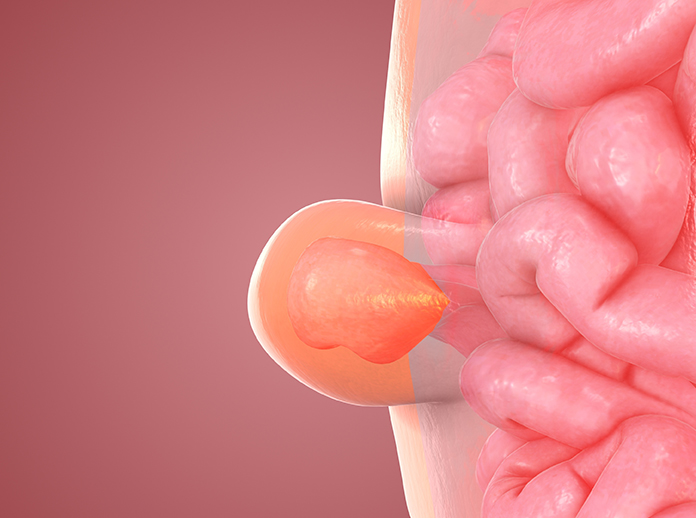
A hernia occurs when tissue, such as part of the intestine, protrudes through a weak spot in the abdominal muscles. This can take the form of a sudden lump or a feeling of heaviness, possibly accompanied by sharp pain. Inguinal hernias are one of the most common variations of this condition.
These inguinal hernias often begin as a swelling that appears when you stand or strain, then fades when you lie down. Part of the intestine or fatty tissue ends up pushing through a weakened area of the abdominal wall near the inguinal canal, creating a visible or noticeable bulge.
Although inguinal hernias are common, they should not be ignored. Over time, they can become more uncomfortable and may lead to complications if the protruding tissue becomes trapped. This is why early assessment and proper treatment planning are important.
Types of Inguinal Hernia
Inguinal hernias are not a single uniform condition. They are classified based on the pathway through which they enter the inguinal canal. The two main types are direct and indirect inguinal hernias.
Direct Inguinal Hernia
A direct inguinal hernia develops over time due to the gradual weakening of the abdominal wall muscles. This weakness is typically a result of age-related wear, chronic straining (such as from persistent coughing, heavy lifting or difficulty urinating) or obesity.
The bulge pushes directly through the back wall of the inguinal canal and rarely descends into the scrotum. This type is generally more common in older men.
Indirect Inguinal Hernia
An indirect inguinal hernia is the most common type and is often congenital, meaning it is present from birth. It occurs when the natural opening known as the deep inguinal ring, which normally closes after the testes descend into the scrotum, fails to seal completely.
This leaves a pre-existing weakness that allows tissue to pass into the inguinal canal along the path of the spermatic cord. As a result, the hernia may extend into the scrotum and is more commonly seen in infants, children and younger men.
Potential Complications Caused by Inguinal Hernias
Although many inguinal hernias initially appear as a manageable bulge, serious complications can develop and require urgent medical attention. These include:
Incarceration
Incarceration occurs when a portion of intestine or fatty tissue becomes trapped within the hernia and cannot be pushed back into the abdomen. This may cause persistent pain, tenderness or discomfort and increases the risk of further complications. In some cases, bowel obstruction may develop.
Bowel Obstruction
Bowel obstruction can occur when a trapped intestine prevents normal passage of bowel contents. Symptoms may include abdominal pain, bloating, nausea, vomiting and constipation. This situation requires prompt medical assessment.
Strangulation
This is the most serious complication. When the blood supply to the trapped tissue is cut off, the tissue can quickly become damaged or die. Symptoms may include severe, worsening pain, fever and a firm, tender bulge that may appear red or purple. Strangulation is a medical emergency and requires immediate surgical treatment.
Diagnosing and Treating Inguinal Hernias
Inguinal hernias are far more frequent in men than women, largely due to differences in groin anatomy. In men, the inguinal canal is the passageway for the spermatic cord, which can leave a natural weak point in the abdominal muscles. Symptoms can range from a painless bulge or mild discomfort to aching or sharp pain, often becoming more noticeable during activities that increase intra-abdominal pressure.
Assessment by a urologist is important to confirm the diagnosis and determine the most appropriate treatment. A specialist will be able to diagnose your condition and recommend treatment options.
Inguinal Hernia Diagnosis
The diagnosis of an uncomplicated groin hernia is generally straightforward and relies primarily on a clinical examination by an experienced doctor. During the physical examination, the doctor will look for a visible bulge in the groin area or scrotum, especially when the patient stands or coughs.
The doctor may gently feel the area to confirm the presence of the bulge and see if it can be easily pushed back into the abdomen (reduced). Imaging tests, such as an ultrasound, may be used if the diagnosis is uncertain or if other causes of groin swelling need to be excluded. CT scans are typically reserved for more complex or atypical cases.
Inguinal Hernia Repair Treatment
It is important to understand that a hernia will not usually heal or disappear on its own. While small, asymptomatic hernias can sometimes be managed with watchful waiting, most symptomatic or large hernias require surgical intervention to prevent complications like strangulation.
There are two main surgical approaches for inguinal hernia repair:
Open Hernia Repair
This approach involves making a single incision in the groin. The protruding tissue is returned to the abdomen and the weakened area is usually reinforced with a synthetic mesh to reduce the risk of recurrence.Laparoscopic Hernia Surgery
This minimally invasive technique uses several small incisions through which a camera and specialised instruments are inserted. The repair is performed from within the abdominal wall and is often associated with less post-operative discomfort and a shorter recovery period.
The choice of procedure depends on factors such as the type of hernia, the patient’s overall health and the surgeon’s clinical judgement. Surgical repair is the definitive treatment for inguinal hernias, in order to prevent serious complications from developing.
When Should I Seek Medical Care for an Inguinal Hernia?

Upon noticing a groin lump, persistent discomfort or pain that worsens when coughing, lifting or standing for long periods, you should immediately visit a specialist for a consultation. Even if symptoms are mild, early assessment helps confirm whether it is an inguinal hernia and reduces the risk of complications.
It becomes particularly urgent to seek urgent medical attention if the lump becomes hard or tender, cannot be pushed back in or if you develop severe pain, nausea, vomiting or fever in tandem with it, as these may be signs of a trapped or strangulated hernia.
Consulting a urology surgeon ensures that treatment is appropriately planned and managed. At Tan Urology, we provide personalised assessment and treatment plans for each patient. Our experienced urologists, Dr Lincoln Tan and Dr Robert Tan, ensure that each case is treated with the utmost discretion and professionalism. Contact us today to find out more.
Meet Our Urologists

Dr Lincoln Tan
MBBS, MRCS(Edin), MMED(Surg), FRCS(Urol)(RCPSG), FAMS(Urol)
Dr Lincoln Tan is experienced in managing a wide range of urological conditions, with particular expertise in minimally invasive laparoscopic and robotic-assisted surgery. He is actively involved in advancing evidence-based approaches to improve diagnostic accuracy and clinical decision-making. As principal investigator in the first local study validating the Prostate Health Index for cancer risk assessment, he has contributed to reducing unnecessary biopsies and has been among the clinical leads introducing freehand, office-based transperineal biopsies in Singapore. Dr Tan is committed to comprehensive, patient-centred urological care.

Dr Robert Tan Tin Kiat
BSC(Monash), MBBS(NSW), FRCS(Glasgow), FRACS, MMED(Surgery), FAMS(Urol)
Dr Robert Tan has over 35 years of experience in the diagnosis and management of a wide range of urological conditions. As one of the first urologists in Singapore to perform transurethral resection of the prostate, he has played a key role in advancing minimally invasive urological care. A founding member of the Singapore Urological Association, Dr Tan is also a local pioneer in non-invasive urinary stone treatment, including extracorporeal shockwave lithotripsy. His practice emphasises careful assessment and personalised care supported by appropriate medical technology.