




MBBS, MRCS(EDIN), MMED(SURG), FRCS(UROL) (RCPSG), FAMS(UROL)

BSC(Monash), MBBS(NSW), FRCS(Glasgow), FRACS, MMED(Surgery), FAMS(Urol)
A hernia occurs when an internal organ or tissue pushes through a weak spot in the surrounding muscle or connective tissue. This commonly happens in the abdominal wall, but it can also occur near the groin or diaphragm. While some hernias may start with mild symptoms, they do not heal on their own and can worsen over time without appropriate care.
If you’re wondering what exactly causes hernias, how to spot them early, and what your treatment options are, you’re in the right place. In this guide, we’ll walk you through the main types of hernias, the symptoms to watch for, and the current approaches to treatment and recovery. Keep reading to learn more.
Common Types of Hernias
Hernias can appear in various parts of the body, but they are usually classified by location. The most common types include:
- Inguinal Hernia: This is the most common form, where intestine or bladder tissue pushes through the abdominal wall or into the inguinal canal, primarily affecting the groin area.
- Femoral Hernia: Occurring lower in the groin, these hernias pass into the femoral canal and are more common in women.
- Umbilical Hernia: Involves tissue protruding through a weak spot near the navel (belly button).
- Hiatal Hernia: A unique type where the upper part of the stomach pushes up through the diaphragm into the chest cavity, often causing acid reflux symptoms.
Common Hernia Symptoms
Hernia symptoms can vary depending on the type and severity. Some may be visible, while others surface as discomfort or digestive issues. Common signs include:
- A Visible Lump or Bulge: A lump in the groin or abdomen that often becomes more noticeable when standing, coughing or straining and may flatten when lying down.
- Pain or Discomfort: You may feel a dull ache, burning sensation or heaviness, especially with movement, lifting, or bending.
- A Feeling of Fullness or Weakness: Localised pressure or a dragging feeling in the groin or abdomen may develop.
- Digestive Discomfort: Heartburn, chest discomfort or difficulty swallowing may occur with hiatal hernias.
- Severe Symptoms (Emergency): Sudden, intense pain, nausea, vomiting or a bulge that becomes red, blue or dark and cannot be pushed back in may indicate a strangulated hernia. This is a medical emergency requiring immediate attention.
What Risk Factors Contribute to Getting a Hernia?
Hernias form when muscle weakness meets increased internal pressure. Notable risk factors include:
Heavy lifting, prolonged standing, chronic coughing or sneezing, constipation, and straining during bowel movements or urination all raise abdominal pressure. Managing respiratory issues and treating prostate enlargement in men can reduce unnecessary strain.
Pregnancy, obesity, prior abdominal or pelvic surgeries, and natural age-related muscle changes can weaken the abdominal wall.
Some babies are born with a congenital hernia, with risk factors including premature birth, cystic fibrosis, connective tissue disorders, congenital hip dysplasia, and undescended testicles.
Treatment Options for Hernia
Surgical repair is usually the definitive treatment for hernias. The procedure involves pushing the protruding tissue back into place and reinforcing the weakened area of the muscle wall. While small, asymptomatic hernias may be monitored with a “watchful waiting” approach, most require surgery to prevent complications like strangulation.
Before surgery, a thorough examination helps determine the type, size, and reducibility of the hernia. The main surgical techniques include:
- Tension-Free Repair Often involves a hernia mesh to reinforce the muscle wall, reducing tension and lowering the risk of recurrence.
- Keyhole Surgery Laparoscopic surgery uses small incisions, a camera, and specialised instruments to perform the repair, generally resulting in less pain and a faster recovery.
- Open Surgery Involves a single, larger incision over the hernia site, preferred for very large hernias or specific anatomical considerations.
Recovery and Prevention Tips
Recovering from hernia surgery and preventing recurrence requires attention to lifestyle and post-operative care. Here are essential tips:
- Maintain a Healthy Body Weight: Reducing excess weight lessens strain on your abdominal muscles, both before and after surgery.
- Getting the Right Kind of Exercise: Always consult your doctor before resuming exercise. Focus on core-strengthening exercises only after receiving clearance, and start slowly to build muscle without excessive strain.
- Maintain a Fibre-Rich Diet: A diet rich in fibre ensures regular bowel movements, preventing chronic constipation and the associated straining that can cause or exacerbate a hernia.
- Avoid Heavy Lifting: To protect your recovery and prevent hernias from recurring, use proper lifting techniques and avoid lifting objects that are too heavy for your physical capability.
Take Charge of Your Hernia Health
Hernias are common and highly treatable, but they won’t resolve on their own. Identifying symptoms early and understanding your treatment options empowers you to make informed decisions and safeguard your well-being.
Don’t wait until discomfort becomes serious. Whether you’re considering surgery or want to explore all available treatment approaches, our team of specialists is here to guide you every step of the way. Contact us today to schedule a consultation and take the first step towards lasting relief.
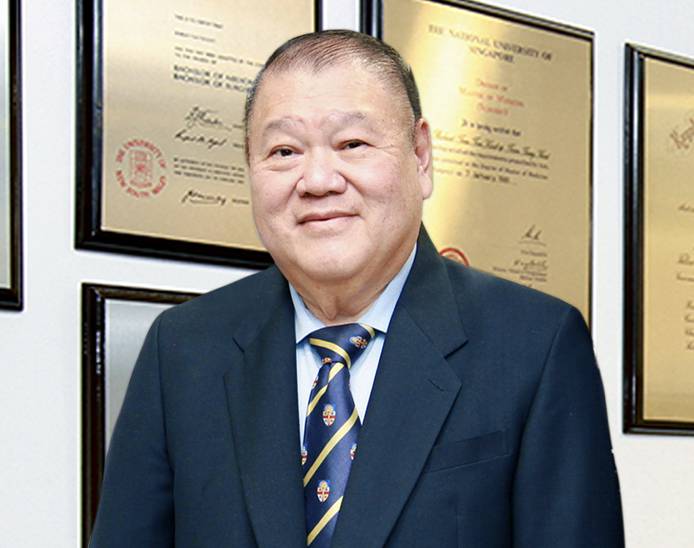
Dr Robert Tan Tin Kiat
Dr Robert Tan is a consultant urologist with more than 35 years of clinical experience. He began his career at Tan Tock Seng Hospital, where he was involved in the early use of Transurethral Resection of the Prostate (TURP), a procedure that continues to be widely used for the management of BPH. Since 1984 he has been in private practice at Gleneagles Hospital, caring for a broad range of patients over the years. Dr Tan is also one of the founding members of the Singapore Urological Association.

Dr Lincoln Tan
Dr Lincoln Tan is a consultant urologist and accredited robotic surgeon practising at Mount Elizabeth Hospital. Before joining Tan Urology, he served as director of Urologic Oncology at the National University Hospital and the National Cancer Institute of Singapore, where he continues as a visiting consultant. He is trained across the full spectrum of urology, with a focus on minimally invasive techniques, including laparoscopic and robotic-assisted surgery for prostate and kidney cancers.