




MBBS, MRCS(EDIN), MMED(SURG), FRCS(UROL) (RCPSG), FAMS(UROL)

BSC(Monash), MBBS(NSW), FRCS(Glasgow), FRACS, MMED(Surgery), FAMS(Urol)
Passing a kidney stone is often described as one of the most painful experiences a person can have. You may suddenly feel a sharp, stabbing pain in your side or lower back, sometimes accompanied by nausea or an urgent need to urinate. For many, these symptoms occur unexpectedly, prompting urgent medical attention.
To shed more light on kidney stone pain and how to manage it, this guide covers common symptoms, when to seek medical attention, and practical steps to ease discomfort and protect your kidney health. Keep reading to learn what to expect and how to care for your kidney health.
What Are the Common Symptoms of Kidney Stones?
While severe pain is the most prominent feature of kidney stones, other symptoms often accompany the episode and can offer clues about the stone’s location or the level of obstruction.
- Intense Pain (Renal Colic): Renal colic is typically sharp, colicky, and often resistant to standard painkillers. The pain usually comes in waves and is widely regarded as one of the most severe forms of acute discomfort.
- Haematuria (Blood in the Urine): Stones can irritate the lining of the ureter, leading to visible or microscopic blood in the urine. Depending on the bleeding, urine may appear pink, red, brown, or cloudy.
- Dysuria (Painful Urination): As the stone approaches the bladder, patients may experience a sharp or burning sensation during urination.
- Changes in Urine Colour or Odour: Cloudy or dark urine, or a strong odour, may indicate infection or be influenced by the stone’s mineral composition.
- Nausea and Vomiting: The intensity of pain can trigger reflexes shared with the gastrointestinal system, resulting in nausea or vomiting.
- Systemic Symptoms: Fever, chills, or feeling generally unwell may suggest an infection caused by an obstructing stone, such as obstructive pyelonephritis. This is a medical emergency requiring immediate attention.
Where Is Kidney Stone Pain Located?
The location of kidney stone pain often gives clues about where the stone is lodged. Typically, it begins deep in the flank—the area on your side between the lowest rib and the hip.
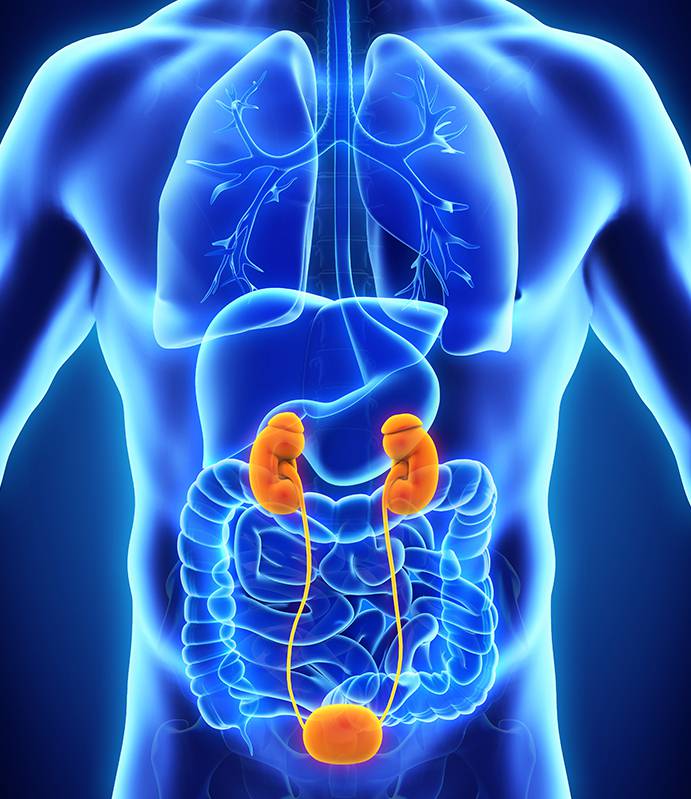
When a stone blocks the ureter (the tube connecting the kidney to the bladder), pressure builds up, causing a throbbing, intense pain. This initial pain is usually felt deep in the side or across the back, just below the ribs. As the stone moves along the narrow ureter, the discomfort shifts, frequently radiating downward and forward. This referred pain typically appears in the following areas:
- Lower Abdomen: The pain may radiate from the side to the front of the abdomen.
- Groin and Thigh: In men, the pain may be felt acutely in the testicle, and in both sexes, it commonly moves towards the inner thigh and groin region.
- Bladder Area: As the stone approaches the bladder, an urgent, persistent need to urinate can accompany discomfort, even if the bladder is empty.
Can Kidney Stone Pain Come and Go?
Yes. Pain from kidney stones often follows a wave-like pattern, with sudden onset and fluctuating intensity. Episodes can last 20 minutes to an hour, settle briefly, and then return just as strongly.
This cyclical pain reflects the ureter’s contractions (peristalsis) as it tries to move the stone. When the ureter relaxes, pain may lessen, though some discomfort usually remains until the stone passes or medical intervention occurs.
How Long Does Kidney Stone Pain Last?
The duration of kidney stone pain depends on the stone’s size and how quickly it travels through the urinary tract.
- Natural Passage (Small Stones) Stones under 4 mm often pass without surgery. Severe, intermittent pain may last a few hours to a couple of days, stopping suddenly once the stone reaches the bladder.
- Prolonged Pain and Intervention (Larger Stones)
If the stone is large or becomes firmly lodged in the ureter, the pain may be prolonged and continue for days or even weeks until treatment is provided. When the acute episode of renal colic eases, many patients experience a persistent dull ache in the flank.
This ongoing discomfort suggests that obstruction remains and should prompt urgent review by a urologist to discuss the available surgical options.
Treatment to Relieve Pain
When a kidney stone causes severe pain or becomes obstructed, several minimally invasive treatments can help relieve discomfort and address the blockage:
- Extracorporeal Shock Wave Lithotripsy: This non-invasive procedure uses external shockwaves to break the stone into smaller fragments, allowing them to pass more easily through the urinary tract. ESWL is typically recommended for stones smaller than 2 cm.
- Minimally Invasive Procedures: For larger or harder stones, procedures such as ureteroscopy, retrograde intrarenal surgery or percutaneous nephrolithotomy may be required. In some cases, a laser is used to fragment the stone so it can be removed or passed more easily.
All modern interventions are designed to rapidly alleviate the pain and prevent potential long-term damage caused by the urinary tract obstruction.
Protect Yourself from the Pain of Kidney Stones
While treatments can relieve kidney stone pain, preventing future stones is equally important—especially if you’ve experienced them before. Simple lifestyle changes and, where needed, medical interventions can significantly lower the risk of recurrence.
- Increase Fluid Intake: Staying well hydrated helps dilute the substances that form stones. Aim for enough water to keep your urine clear or pale.
- Dietary Modification: Adjustments vary according to stone type. This may include reducing sodium intake, moderating animal protein consumption or limiting oxalate-rich foods for those prone to calcium oxalate stones.
- Medication: For patients with metabolic abnormalities, prescription medications may help regulate mineral and salt levels in the urine.
Working with a specialist to create a personalised prevention plan is the most effective way to reduce recurrence and support long-term kidney health. By taking proactive steps, you can minimise the chances of another painful episode.
Take Control of Your Kidney Health
Understanding kidney stone pain, its symptoms, and how it is treated is the first step in managing your health proactively. Don’t wait for the discomfort to worsen—early intervention can make a significant difference.
Explore our kidney stone removal surgery options today, and contact us to schedule an appointment with a specialist who can provide personalised care and relief.

Dr Robert Tan Tin Kiat
Dr Robert Tan is a consultant urologist with more than 35 years of clinical experience. He began his career at Tan Tock Seng Hospital, where he was involved in the early use of Transurethral Resection of the Prostate (TURP), a procedure that continues to be widely used for the management of BPH. Since 1984 he has been in private practice at Gleneagles Hospital, caring for a broad range of patients over the years. Dr Tan is also one of the founding members of the Singapore Urological Association.

Dr Lincoln Tan
Dr Lincoln Tan is a consultant urologist and accredited robotic surgeon practising at Mount Elizabeth Hospital. Before joining Tan Urology, he served as director of Urologic Oncology at the National University Hospital and the National Cancer Institute of Singapore, where he continues as a visiting consultant. He is trained across the full spectrum of urology, with a focus on minimally invasive techniques, including laparoscopic and robotic-assisted surgery for prostate and kidney cancers.