


MBBS, MRCS(EDIN), MMED(SURG), FRCS(UROL) (RCPSG), FAMS(UROL)

BSC(Monash), MBBS(NSW), FRCS(Glasgow), FRACS, MMED(Surgery), FAMS(Urol)

Urinary symptoms and conditions affecting the kidneys, bladder, prostate or male reproductive system can vary widely in severity so there is rarely a one-size-fits-all treatment approach. While some conditions can be managed with monitoring, lifestyle changes or medication, others may require urology surgical procedures to relieve symptoms or prevent complications.
A thorough assessment helps your urologist identify the underlying cause of your symptoms and determine the most appropriate treatment approach. Understanding how treatment decisions are made and when surgery may be recommended can help you make a more informed decision about your treatment options.
How Does a Urologist Assess Your Condition?
Before recommending treatment, a urologist performs a thorough assessment to identify the underlying cause of your symptoms and determine the most suitable management plan.
Symptoms and Medical History
Your doctor will review your symptoms, medical history, medications and any previous urology procedures or treatments.
Physical Examination
A targeted physical examination may be performed to look for signs that could indicate the cause of your symptoms. Depending on your condition, this may include an abdominal, genital or prostate examination.
Diagnostic Tests
Further investigations may be recommended to confirm the diagnosis or assess its severity. These can include urine and blood tests, imaging (such as ultrasound or CT scans), cystoscopy to examine the urinary tract or urodynamic studies to evaluate bladder function where appropriate.
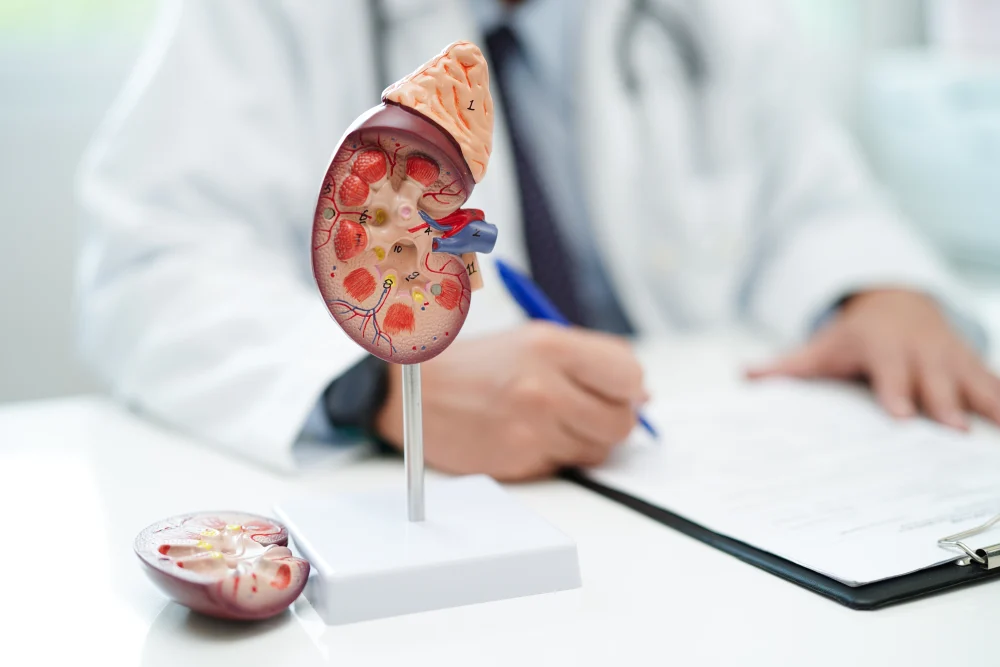
Why Is Non-Surgical Treatment Often Recommended First?
Many urological conditions can be managed effectively without surgery, particularly when symptoms are mild, the condition is stable or there is a low risk of complications. Before recommending a procedure, a urologist will consider whether conservative treatment is likely to relieve symptoms, slow disease progression or reduce the need for surgery. The most appropriate approach depends on your diagnosis, symptom severity and overall health.
Monitoring (Active Surveillance)
Some conditions do not require immediate intervention. Depending on the diagnosis, regular follow-up appointments, blood tests or imaging may be recommended to monitor for changes before deciding whether treatment is necessary. This approach may be appropriate for selected kidney stones, mild benign prostatic hyperplasia (BPH) and certain low-risk prostate cancers.
Lifestyle Modifications
Simple lifestyle changes may help improve symptoms or reduce the risk of recurrence for some urological conditions. Depending on the diagnosis, your urologist may recommend increasing fluid intake, adjusting your diet, managing your weight or practising bladder training as part of your treatment plan.
Medications
Medication is often the first treatment for many urological conditions. Depending on the underlying diagnosis, prescription medicines may help relieve urinary symptoms, treat infections, improve bladder function or manage symptoms associated with an enlarged prostate. Your response to medication also helps determine whether further intervention is needed.
When Are Urology Procedures or Surgery Recommended?
When conservative treatment is unlikely to provide adequate symptom relief or prevent complications, your urologist will weigh several clinical factors before recommending a procedure or surgery.
Severity of Symptoms
Surgery may be considered if symptoms are persistent, severe or significantly affect your daily activities.
Response to Conservative Treatment
If monitoring, lifestyle changes or medication do not adequately control your condition, your doctor may recommend further intervention.
Risk of Complications
Treatment may be advised if there is a risk of recurrent infections, urinary obstruction, kidney damage or progression of the condition.
Kidney Function and Quality of Life
Depending on the condition being treated, preserving kidney function, improving urinary function and enhancing quality of life may all be important considerations.
Patient Preferences and Overall Health
Your age, general health, treatment goals and personal preferences are also taken into account to ensure the recommended approach is suitable for you.
Depending on your condition, your specialist may discuss a range of urology procedures, including minimally invasive techniques that may be suitable for your condition. If surgery is recommended, your urologist will explain the expected benefits, potential risks and the factors that may influence your recovery based on the condition being treated, procedure complexity and hospital setting.
Get Specialised Urology Care at Tan Urology
Every treatment plan should reflect your diagnosis, symptoms and personal health goals. Whether your care involves monitoring, medication, minimally invasive procedures or surgery, understanding the reasons behind each recommendation can help you make informed decisions about your treatment.
At Tan Urology, we are committed to supporting patients through every stage of their urological care, from diagnosis and conservative management to urology procedures and follow-up care. Our consultant urologists, Dr Lincoln Tan and Dr Robert Tan Tin Kiat, provide individualised care based on each patient's condition and guide patients through every stage of the decision-making process, whether exploring non-surgical options or considering urology surgery. Book an appointment for a comprehensive evaluation and personalised management plan.
FAQs About Long-Term Follow-Up at a Urology Clinic
Can I get a second opinion before deciding on urology surgery?
▶
Yes. Seeking a second opinion is common, particularly if surgery has been recommended. Another urologist can review your diagnosis, test results and proposed treatment plan to help you better understand your options and make a more informed decision.
Will delaying urology surgery make my condition worse?
▶
It depends on the underlying condition. Some urological conditions can be safely monitored for a period of time while others may progress and increase the risk of complications if treatment is delayed. Your urologist will advise whether prompt intervention is recommended based on your diagnosis and clinical findings.
Can I continue taking my regular medications before a urology procedure?
▶
Some medications, particularly blood thinners and certain diabetes medications, may need to be adjusted before a procedure or surgery. Always inform your urologist about all prescription medications, over-the-counter medicines and supplements you are taking so your urologist can advise you on any medication adjustments and provide appropriate pre-procedure instructions.
How long will I need follow-up care after urology treatment?
▶
The duration of follow-up depends on your condition and the type of treatment received. Some patients only require a short review after recovery while others with chronic or recurrent conditions may benefit from ongoing monitoring to assess treatment outcomes and detect any recurrence early.
Are minimally invasive urology procedures suitable for everyone?
▶
Not always. While minimally invasive techniques can offer advantages such as smaller incisions and shorter recovery times, they may not be appropriate for every condition or patient. Your suitability depends on factors such as the nature of your condition, its severity, your anatomy and overall health, all of which are assessed during your consultation.
Meet Our Urologists

Dr Lincoln Tan
MBBS, MRCS(Edin), MMED(Surg), FRCS(Urol)(RCPSG), FAMS(Urol)
Dr Lincoln Tan is experienced in managing a wide range of urological conditions, with particular expertise in minimally invasive laparoscopic and robotic-assisted surgery. He is actively involved in advancing evidence-based approaches to improve diagnostic accuracy and clinical decision-making. As principal investigator in the first local study validating the Prostate Health Index for cancer risk assessment, he has contributed to reducing unnecessary biopsies and has been among the clinical leads introducing freehand, office-based transperineal biopsies in Singapore. Dr Tan is committed to comprehensive, patient-centred urological care.
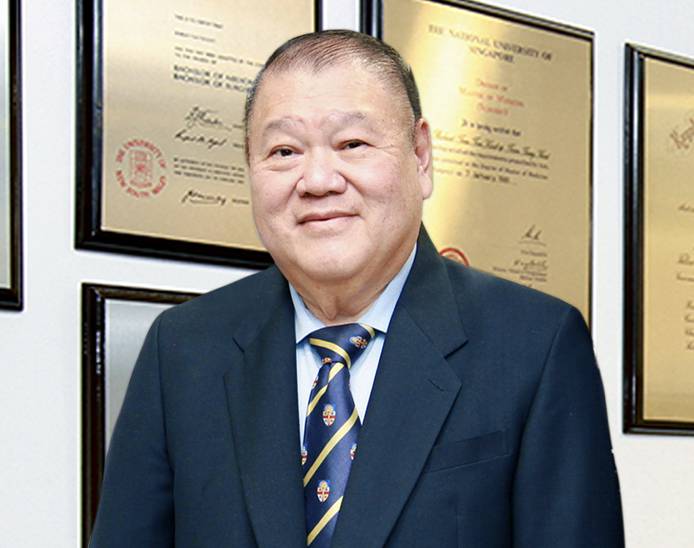
Dr Robert Tan Tin Kiat
BSC(Monash), MBBS(NSW), FRCS(Glasgow), FRACS, MMED(Surgery), FAMS(Urol)
Dr Robert Tan has over 35 years of experience in the diagnosis and management of a wide range of urological conditions. As one of the first urologists in Singapore to perform transurethral resection of the prostate, he has played a key role in advancing minimally invasive urological care. A founding member of the Singapore Urological Association, Dr Tan is also a local pioneer in non-invasive urinary stone treatment, including extracorporeal shockwave lithotripsy. His practice emphasises careful assessment and personalised care supported by appropriate medical technology.