




MBBS, MRCS(EDIN), MMED(SURG), FRCS(UROL) (RCPSG), FAMS(UROL)

BSC(Monash), MBBS(NSW), FRCS(Glasgow), FRACS, MMED(Surgery), FAMS(Urol)

When somebody experiences symptoms of urinary conditions, they are often left feeling uncomfortable and uncertain about addressing it. Many people hesitate to seek out treatment or delay it in hopes of symptoms fading on their own. It is completely normal to feel uncomfortable, worried or unsure of what to do next. However, you don’t have to face it alone.
Urologists are trained to provide judgement-free reassurance, clear answers and practical guidance to help address your symptoms. Receiving a consultation early can make a meaningful difference in preventing potential complications, while also providing clarity and reassurance that helps you return to daily life with greater confidence and comfort.
The Role of a Urologist
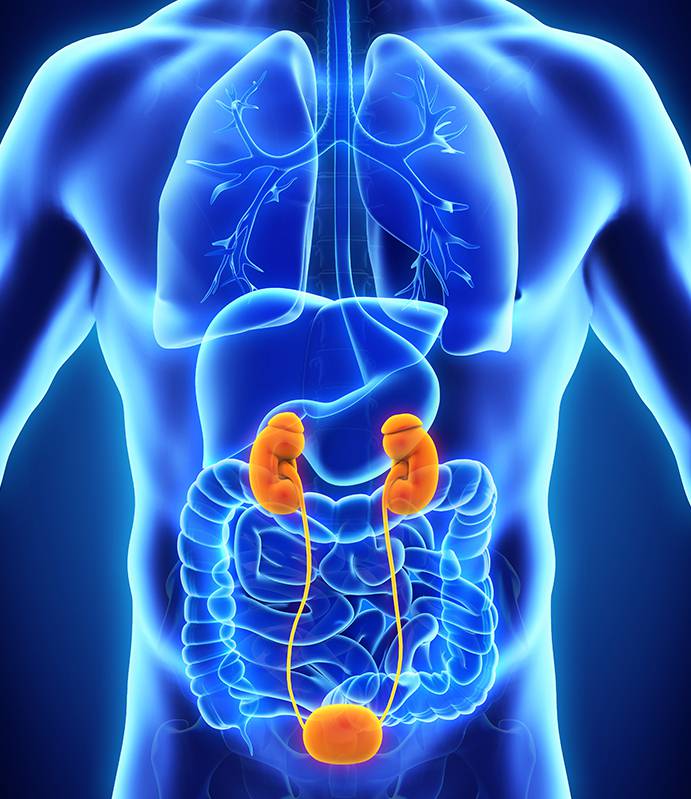
A urologist is a medical specialist trained in diagnosing and treating conditions of the urinary tract in both men and women, as well as disorders of the male reproductive system. This system includes the kidneys, adrenal glands, ureters, bladder and urethra.
Urologists manage a wide range of conditions, from common problems such as kidney stones and urinary tract infections to more complex issues including urological cancers, congenital abnormalities and male infertility. Their work spans medical treatment, minor procedures and advanced surgical care.
Common Signs You Need to See a Urology Specialist
Experiencing persistent or unusual symptoms related to urination or sexual function is a clear indication that you are in need of professional attention. While some symptoms may be benign, others can signal underlying serious conditions that require a specialist consultation.
If you have been wondering whether your symptoms are worth a urologist visit, here are some common signs that warrant a specialist’s attention:
Urinary Symptoms Related to the Prostate
Symptoms such as frequent urination, a weak urine stream or difficulty emptying the bladder are commonly associated with prostate conditions, including benign prostatic hyperplasia (BPH). Early evaluation allows symptoms to be managed effectively and supports appropriate screening for prostate cancer when indicated.
Men’s Health Concerns
Concerns such as erectile dysfunction, premature ejaculation, lumps in the scrotum, or low testosterone can affect both physical and emotional well-being. A urologist can assess whether these issues are linked to hormonal, vascular or neurological factors and recommend suitable treatment options.
Blood in the Urine (Haematuria)
Any sign of blood in your urine, even intermittent or faint, requires urgent attention. It can indicate kidney stones, severe infections or cancers of the bladder, kidney or prostate. A comprehensive investigation, often starting with urology tests and imaging, is always necessary.
Incontinence Issues
Involuntary leakage of urine is common but treatable. A urologist can determine the type of incontinence and suggest management options, which may include lifestyle measures, pelvic floor therapy or minimally invasive procedures.
Kidney Stone Symptoms
Severe pain in the side or lower back, sometimes accompanied by nausea or blood in the urine, can be a sign of kidney stones. While smaller stones may pass on their own, larger or obstructive stones often require specialist treatment.
Recurring Urinary Tract Infections (UTIs)
Repeated urinary tract infections, particularly three or more episodes within a year, may signal an underlying issue. Specialist evaluation focuses on identifying contributing factors and developing a long-term management plan to reduce recurrence.
Common Treatment Options Offered by Urologists
Urologists often perform a broad range of procedures, from minor outpatient treatments to complex operations for serious and potentially life-threatening conditions. Common procedures include:
Cystoscopy
This procedure involves inserting a thin, flexible scope into the bladder via the urethra. It allows the doctor to visually inspect the bladder lining, diagnose conditions and treat minor issues like removing small stones.
Lithotripsy
Lithotripsy breaks down kidney stones into small, passable fragments. An experienced urology surgeon may use extracorporeal shock wave lithotripsy (ESWL) or ureteroscopy to fragment the stones without major surgery.
Prostate Procedures
For more severe cases of BPH, surgical procedures may be used to remove or reduce prostate tissue that is obstructing the urethra, such as transurethral resection of the prostate (TURP) or holmium laser enucleation of the prostate (HoLEP). In the treatment of urological cancers, some operations may also be performed using robot-assisted techniques, commonly referred to as robotic urological surgery.
Vasectomies
Vasectomies provide a highly effective and permanent form of male contraception by sealing or cutting the vas deferens. It is performed by a urologist with expertise in male fertility, ensuring the procedure is carried out with appropriate technique and attention to reproductive health considerations.
Ureteroscopy
This procedure uses a thin scope to examine the ureter and kidney and is commonly performed to treat stones located higher in the urinary tract. During the procedure, the urologist can pass a laser through the scope to break the stone into smaller fragments, which are then removed.
Circumcision
Adult circumcision is a common procedure in which a urologist surgically removes the foreskin covering the head of the penis. While it’s often performed in infancy, many men undergo this procedure later in life to resolve conditions such as foreskin tightness and recurring inflammation. Circumcision usually takes under an hour with local or general anaesthesia, and has a relatively quick recovery period.
Seek Timely Aid For Urological Conditions at Tan Urology
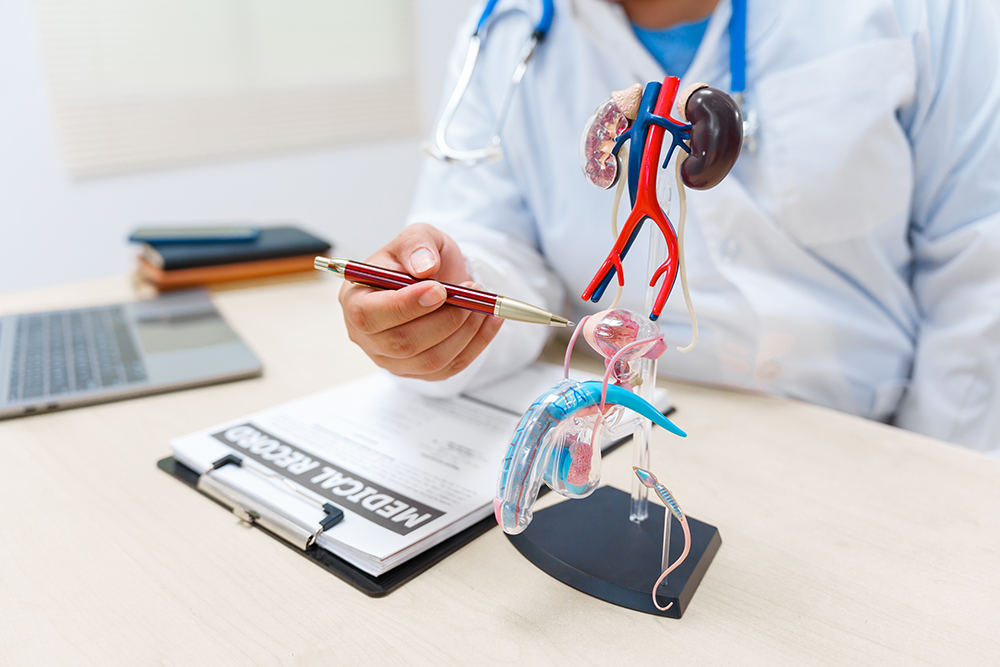
Taking proactive steps and consulting a urologist in Singapore ensures you receive an accurate diagnosis and access to the most appropriate, advanced treatment, whether medical or surgical. If you are experiencing any of the symptoms detailed above, it is important to seek professional help without delay.
At Tan Urology, we strive to address and acknowledge the unique needs of each patient. Our experienced urologists, Dr Lincoln Tan and Dr Robert Tan, ensure that each case is treated with the utmost discretion and professionalism. Contact us today to find out more or to book an appointment.
Meet Our Urologists

Dr Lincoln Tan
MBBS, MRCS(Edin), MMED(Surg), FRCS(Urol)(RCPSG), FAMS(Urol)
Dr Lincoln Tan is experienced in managing a wide range of urological conditions, with particular expertise in minimally invasive laparoscopic and robotic-assisted surgery. He is actively involved in advancing evidence-based approaches to improve diagnostic accuracy and clinical decision-making. As principal investigator in the first local study validating the Prostate Health Index for cancer risk assessment, he has contributed to reducing unnecessary biopsies and has been among the clinical leads introducing freehand, office-based transperineal biopsies in Singapore. Dr Tan is committed to comprehensive, patient-centred urological care.
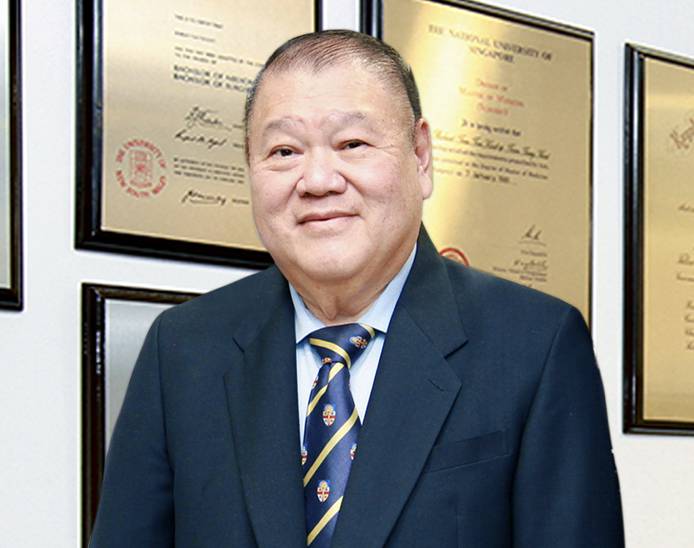
Dr Robert Tan Tin Kiat
BSC(Monash), MBBS(NSW), FRCS(Glasgow), FRACS, MMED(Surgery), FAMS(Urol)
Dr Robert Tan has over 35 years of experience in the diagnosis and management of a wide range of urological conditions. As one of the first urologists in Singapore to perform transurethral resection of the prostate, he has played a key role in advancing minimally invasive urological care. A founding member of the Singapore Urological Association, Dr Tan is also a local pioneer in non-invasive urinary stone treatment, including extracorporeal shockwave lithotripsy. His practice emphasises careful assessment and personalised care supported by appropriate medical technology.