


MBBS, MRCS(EDIN), MMED(SURG), FRCS(UROL) (RCPSG), FAMS(UROL)

BSC(Monash), MBBS(NSW), FRCS(Glasgow), FRACS, MMED(Surgery), FAMS(Urol)

Many urological conditions respond well to treatment, but some require ongoing monitoring to maintain urinary health and detect changes early. Conditions such as enlarged prostate, urological cancers, recurrent kidney stones and chronic urinary disorders may continue to change over time, even after treatment. Regular follow-up at a urology clinic allows your urologist to review your condition, assess treatment effectiveness and identify signs of recurrence or progression.
Long-term specialist care is tailored to your diagnosis, treatment history and overall health. Follow-up appointments may involve reviewing symptoms, performing tests when needed and adjusting your treatment plan to support long-term urinary and kidney health. Understanding why ongoing care is recommended can help you stay proactive in managing your condition and reduce the risk of future complications.
Key Takeaways
- Some urological conditions, including prostate disorders, urological cancers, recurrent kidney stones and chronic urinary conditions, require long-term specialist follow-up rather than one-time treatment.
- Regular reviews at a urology clinic help monitor disease progression, detect recurrence early and evaluate how well treatment is working.
- Follow-up care may include symptom reviews, physical examinations, blood and urine tests, imaging or other investigations depending on your diagnosis.
- Ongoing monitoring allows treatment plans to be adjusted as your health, symptoms and clinical needs change over time.
- Staying consistent with follow-up appointments can support better long-term urinary health and help reduce the risk of complications.
When Is Long-Term Follow-Up Recommended for Urological Conditions?
Not all urological conditions require long-term specialist follow-up. While some resolve after treatment, others benefit from ongoing review to monitor recovery, detect recurrence early or manage conditions that may change over time. The frequency and type of follow-up depend on your diagnosis, treatment history, symptoms and overall health.
Chronic Urological Conditions
Certain urological conditions require long-term management to keep symptoms under control and reduce the risk of complications. These include:
- Benign prostatic hyperplasia (BPH)
- Overactive bladder
- Chronic urinary retention
- Neurogenic bladder
- Recurrent urinary tract infections
Regular follow-up allows your urologist to monitor symptoms, assess bladder function where appropriate and adjust your treatment plan if your condition changes over time.
Conditions with a Risk of Recurrence
Some conditions require ongoing surveillance because they may return even after successful treatment. These include:
- Prostate, bladder and kidney cancers
- Recurrent kidney stones
Depending on your diagnosis, follow-up may include blood tests, imaging or other surveillance investigations to detect recurrence early and guide further management where needed.
Why Follow-Up Plans Are Personalised
No two patients require exactly the same follow-up schedule. Your urologist will consider factors such as your diagnosis, previous treatment, current symptoms, overall health and individual risk factors when recommending how often you should be reviewed and what investigations, if any, are required.
What Happens During Long-Term Follow-Up at a Urology Clinic?
Each follow-up visit focuses on reviewing your current health, discussing any new concerns and determining whether further investigations or changes in management are required.
Monitoring Symptoms and Quality of Life
Your urologist will assess your symptoms, urinary function and how your diagnosis is affecting your daily activities. This helps identify changes that may affect your quality of life or indicate the need for further assessment.
Tests and Ongoing Surveillance
Depending on your condition, follow-up may include blood tests, urine tests or imaging to assess your urinary tract and kidney health. For patients treated for urological cancers, PSA monitoring or other surveillance tests may also be recommended where appropriate.
Reviewing Treatment and Preventing Recurrence
Follow-up appointments allow your urologist to review how well your current management plan is working and whether any adjustments are needed. This may involve assessing how you are responding to medication, deciding whether treatment should be continued or modified, reviewing lifestyle measures that may help reduce recurrence, and discussing any new symptoms or concerns. If your condition has changed, your urologist may also recommend further investigations or alternative treatment options.

Receive Tailored Long-Term Urological Care at Tan Urology
Many urological conditions benefit from continued specialist care even after symptoms improve or treatment has been completed. Regular follow-up helps ensure your recovery remains on track, supports early identification of any changes and allows your care to be adapted as your healthcare needs evolve.
At Tan Urology, we are committed to supporting patients throughout every stage of their urological journey, from diagnosis and treatment to long-term follow-up and continued management. Our consultant urologists, Dr Lincoln Tan and Dr Robert Tan Tin Kiat, provide individualised care tailored to each patient’s diagnosis, treatment history and long-term health goals. If you have a chronic urological condition or require ongoing specialist follow-up, book an appointment for a comprehensive review and customised management plan.
FAQs About Long-Term Follow-Up at a Urology Clinic
Can I stop follow-up appointments if I feel well?
▶
Not necessarily. Some urological conditions can progress or recur before noticeable symptoms develop. Attending your scheduled follow-up appointments allows your urologist to identify problems before they begin causing noticeable symptoms and recommend treatment if needed, even if you are feeling well.
Will I need the same tests at every follow-up visit?
▶
No. The tests performed depend on your condition, treatment history and current health. Your urologist may adjust the type and frequency of investigations over time based on your progress and whether there are any new concerns.
How long will I need to remain under specialised care?
▶
This varies between individuals. Some patients only require follow-up for a limited period after treatment, while others with chronic conditions or a higher risk of recurrence may benefit from long-term or lifelong monitoring.
Can follow-up appointments be spaced further apart over time?
▶
As your recovery progresses or your condition becomes well controlled, your urologist may recommend extending the interval between reviews. However, the follow-up schedule should always be based on your individual clinical needs rather than a fixed timeline.
Should I contact my urologist before my next scheduled review if my symptoms change?
▶
Yes. New or worsening urinary symptoms, blood in the urine, severe pain or difficulty passing urine should be assessed promptly rather than waiting for your next routine appointment. Early review can help identify whether your treatment plan needs to be adjusted.
Meet Our Urologists

Dr Lincoln Tan
MBBS, MRCS(Edin), MMED(Surg), FRCS(Urol)(RCPSG), FAMS(Urol)
Dr Lincoln Tan is experienced in managing a wide range of urological conditions, with particular expertise in minimally invasive laparoscopic and robotic-assisted surgery. He is actively involved in advancing evidence-based approaches to improve diagnostic accuracy and clinical decision-making. As principal investigator in the first local study validating the Prostate Health Index for cancer risk assessment, he has contributed to reducing unnecessary biopsies and has been among the clinical leads introducing freehand, office-based transperineal biopsies in Singapore. Dr Tan is committed to comprehensive, patient-centred urological care.
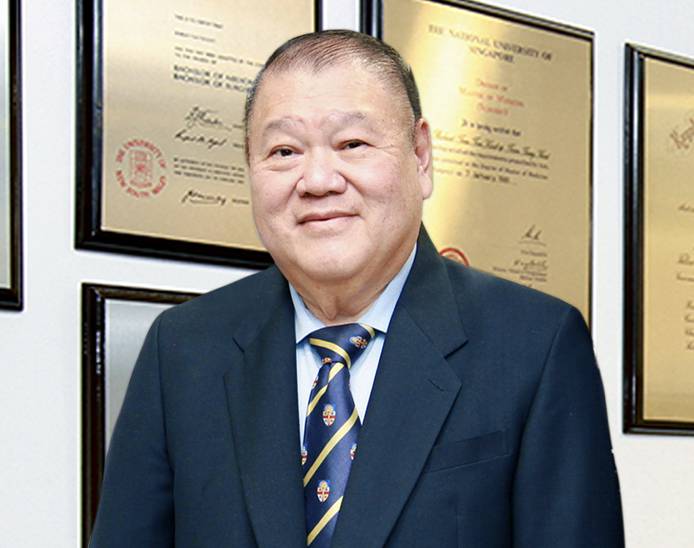
Dr Robert Tan Tin Kiat
BSC(Monash), MBBS(NSW), FRCS(Glasgow), FRACS, MMED(Surgery), FAMS(Urol)
Dr Robert Tan has over 35 years of experience in the diagnosis and management of a wide range of urological conditions. As one of the first urologists in Singapore to perform transurethral resection of the prostate, he has played a key role in advancing minimally invasive urological care. A founding member of the Singapore Urological Association, Dr Tan is also a local pioneer in non-invasive urinary stone treatment, including extracorporeal shockwave lithotripsy. His practice emphasises careful assessment and personalised care supported by appropriate medical technology.