


MBBS, MRCS(EDIN), MMED(SURG), FRCS(UROL) (RCPSG), FAMS(UROL)

BSC(Monash), MBBS(NSW), FRCS(Glasgow), FRACS, MMED(Surgery), FAMS(Urol)
Robotic technology allows for greater surgical precision, less post-operative pain and reduced blood loss. Research shows that patients who undergo this procedure live longer compared those who have their entire kidney removed."
Minimally Invasive Removal of Kidney Tumours
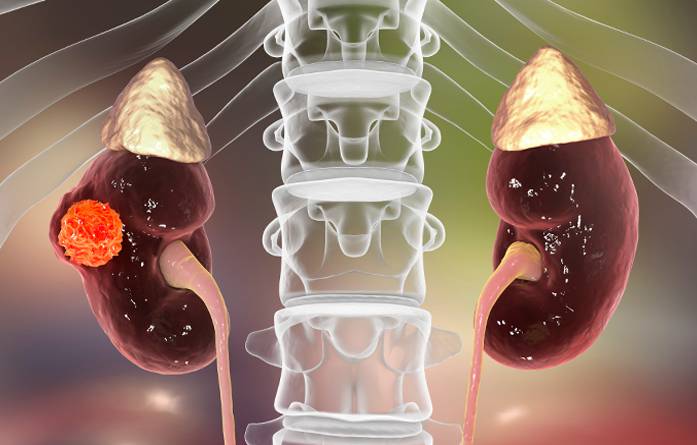
Kidney Tumour Removal with Minimally Invasive Surgery
Partial nephrectomy is performed for small renal masses which
are suspicious for cancer, and involves removing just the tumour from the kidney, preserving the
kidney itself.
As the kidneys have a very good blood supply, this surgery needs to be performed precisely using a
technique that avoids heavy bleeding, and also the leak of urine from the depths from which
the tumour has been removed from the kidney.
Benefits of Partial Nephrectomy
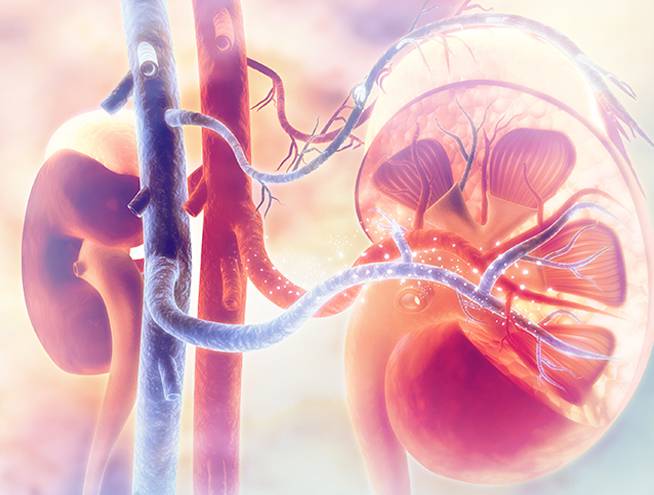
The preservation of kidney function is the major advantage of this kidney-saving medical
procedure. Looking at the long term, keeping the kidney is better than taking out the entire
organ. When the kidney still has enough healthy tissues, it can maintain its function
of filtering and removing waste products from the blood.
On top of that, a study published in the medical journal JAMA Network revealed that patients who
underwent partial nephrectomy live longer compared to individuals who had their kidney removed
completely.
Suitable Candidates for Partial Nephrectomy
When determining a candidate for this kidney-saving surgical procedure, the doctor first checks the
condition of the tumour. Partial nephrectomy may not be a good option if the size of the tumour is too
large or the location of the mass makes the surgical procedure impossible to perform.
Partial nephrectomy, however, may be ideal if the patient falls under any of these categories:
- The individual is suffering from poor kidney function. Removing a kidney could require the patient to undergo dialysis, which affects quality of life.
- The patient has diabetes or high blood pressure, which are risk factors for kidney failure. Preserving the kidney may prevent kidney failure in the future.
- The person has stones in his/her kidneys. If the surgeon takes out one of the two kidneys and a stone inadvertently blocks the ureter, the situation turns into a medical emergency. This obstruction harms the remaining kidney and stops the urine from passing to the bladder.
The Process of Partial Nephrectomy
The surgery involves the following steps:
Image Credit: Dr Pradeep Durai
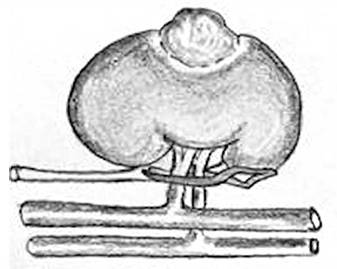
Temporarily clamping kidney artery to stop blood flow to the kidney
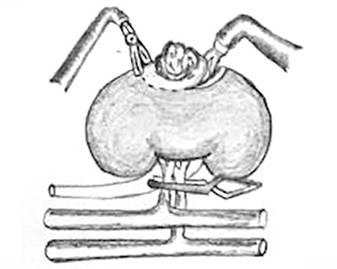
Complete removal of the tumour
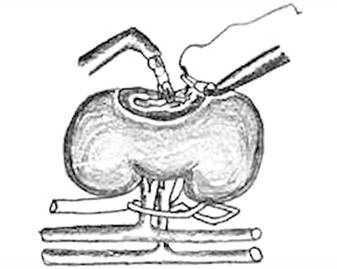
Closing defects in the urine collection system and bleeding vessels
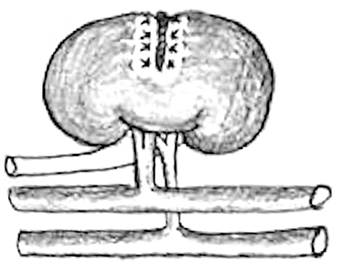
Complete closure of the defect left in the kidney, followed by release of the clamp on the kidney aartery and checking that there is no bleeding
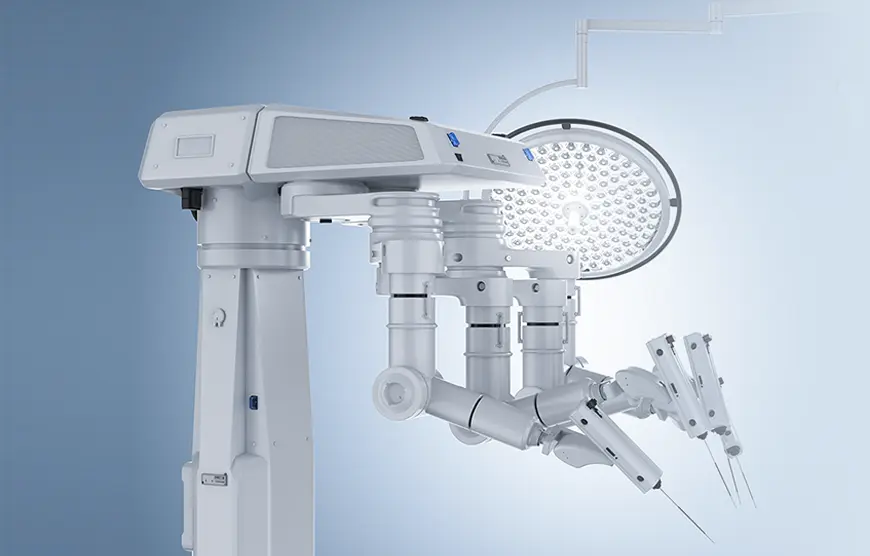
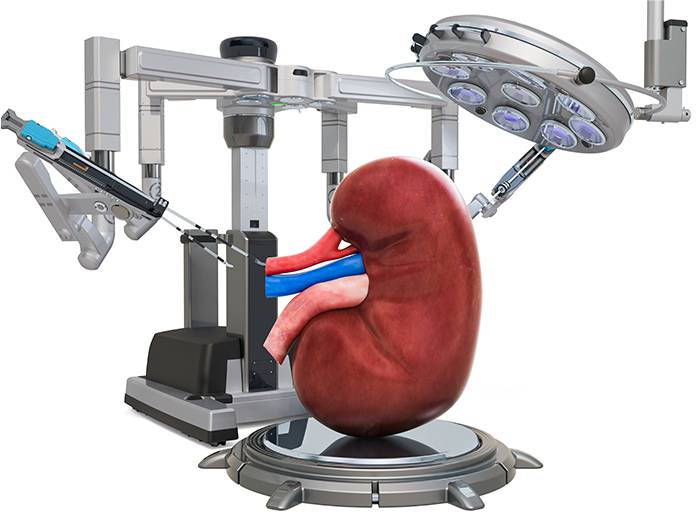
Partial nephrectomy can be done through open, laparoscopic or robotic assisted approaches. Robotic surgery allows this complex operation to be performed through keyhole surgery. With the magnified vision and dexterity of robotic instruments, larger and deeper tumours that previously would not have been possible to remove without sacrificing the kidney, can now be done in a minimally invasive manner. This not only preserves kidneys which would have been previously sacrificed, but minimises the postoperative complications and discomfort that come from an open approach.
Preparing for the Surgery
If you’re scheduled to undergo partial nephrectomy, you can prepare for this surgical procedure by:
- Avoiding taking certain medications, such as aspirin and other arthritis drugs that may cause bleeding
- Going on preoperative fasting by not eating or drinking anything 24 hours before your scheduled surgery date
- Following a clear liquid diet
Post-Operative Care
Here are a few ways you can care for yourself while recovering from home:
- Develop a habit of walking every day (this exercise improves blood flow and helps prevent constipation)
- Drink plenty of fluids
- Avoid performing strenuous activities or exercises that can strain your belly muscles
Taking Care of Your Kidney Tumour Removal Needs
Tan Urology provides partial nephrectomy treatment to take out the kidney tumour while preserving
the organ. We perform this procedure using robotic-assisted technology, making the surgery as
minimally invasive as possible.
With robotic-assisted surgery, we’re able to reduce post-operative plan and blood loss for our
patients.