


MBBS, MRCS(EDIN), MMED(SURG), FRCS(UROL) (RCPSG), FAMS(UROL)

BSC(Monash), MBBS(NSW), FRCS(Glasgow), FRACS, MMED(Surgery), FAMS(Urol)
Many men at different stages of life can be affected by low testosterone, a common hormonal condition. Symptoms include fatigue, reduced libido, mood changes and loss of muscle strength, making it noticeable in daily life. Early assessment and treatment are important, as untreated low testosterone may contribute to bone loss, metabolic changes and a gradual decline in overall health.
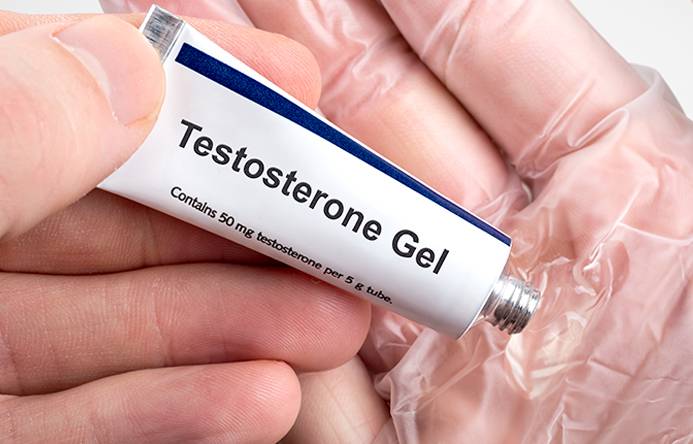
What is Testosterone?
Testosterone is a hormone produced mainly in the testicles, which helps maintain a man’s sex drive, muscle
mass, red blood cell production and overall vitality. It also supports physical performance and general
well-being throughout adulthood.
Testosterone levels naturally fluctuate as men age, particularly after midlife. When levels fall below the
normal range, this may result in reduced physical strength, lower energy levels and changes in overall
health if not appropriately managed.
What Are the Causes of Low Testosterone?
Low testosterone can result from a combination of several factors, including:
The Natural Ageing Process
– As men age, the body gradually produces less testosterone. This is a normal part of the ageing process rather than a sudden or isolated condition.Medical Conditions
– Certain health issues, such as hormonal disorders, chronic illnesses or conditions affecting the testes or pituitary gland, can interfere with testosterone production.Medications and Treatments
– Some prescription medications and treatments, such as corticosteroids and chemotherapy, may affect hormone production as a side effect.Lifestyle Factors
– Lack of physical activity, chronic stress, poor sleep, excessive alcohol intake and poor nutrition may contribute to reduced testosterone over time.
What Are the Symptoms of Testosterone Deficiency Syndrome?
Common signs of low testosterone may include:
Reduced Sex Drive
– Interest in sexual activity may decline, sometimes accompanied by changes in sexual performance.Decreased Muscle Mass
– Muscle strength and size may gradually reduce, even with regular physical activity.Increased Body Fat
– Fat accumulation, particularly around the abdominal area, may become more noticeable.Mood Changes
– Some men may experience low moods, irritability or reduced motivation over time.Fatigue
– Energy levels may decrease, causing daily activities to feel more tiring despite receiving adequate rest.Reduced Bone Strength
– Bone density may decline gradually, increasing the risk of fractures with ageing or injury.
How Is Low Testosterone Diagnosed?
Low testosterone is diagnosed through a combination of medical assessment and laboratory tests.
Medical History
– The doctor reviews overall health history, existing medical conditions and current medications to identify factors that may influence testosterone levels.Physical Examination
– A physical examination may be conducted to assess general health and look for clinical signs associated with hormone imbalance.Blood Testosterone Test
– A blood test is typically performed in the morning, when testosterone levels are highest.Pituitary Function Tests
– Hormones such as LH (luteinizing hormone) and FSH (follicle-stimulating hormone) are measured to determine whether the pituitary gland is signalling the testes appropriately.Additional Hormone Tests
– Further blood tests may be ordered to evaluate related hormones and better understand patterns affecting testosterone production.
If testosterone levels are borderline or low, you may need to repeat your test on a separate day for confirmation.
What Are the Treatment Options for Low Testosterone?
Low testosterone can be managed with treatments such as:
Testosterone Replacement Therapy (TRT)
Testosterone replacement therapy helps restore testosterone to healthy levels through hormone supplements. This therapy can be delivered in different forms, depending on individual needs and medical advice:
Oral Tablets
– Testosterone is taken by mouth in tablet form and absorbed through the digestive system.Topical Gels or Patches
– Gels or patches are applied to the skin, allowing testosterone to be absorbed gradually into the bloodstream.Injectable Testosterone
– Testosterone is administered through intramuscular or subcutaneous injections at prescribed intervals.Pellets
– Small pellets are implanted under the skin, where they release testosterone slowly over several months.Buccal Tablets
– A tablet is placed against the gums or inner cheek, enabling direct absorption into the bloodstream.Nasal Gels
– Testosterone gel is applied inside the nostrils, allowing for rapid absorption through the nasal lining.
Lifestyle Changes
Lifestyle adjustments can support hormone balance and overall well-being and are often considered in conjunction with medical management. You may be able to increase your testosterone levels in natural ways by focusing on:
Diet and Nutrition
– A balanced diet that includes lean proteins, healthy fats and whole grains may help support hormone regulation and maintain energy levels.Exercise
– Regular physical activity, including strength training and resistance exercises, can support muscle mass, metabolism and natural testosterone production.Stress Management
– Managing stress through relaxation techniques, mindfulness or leisure activities may help reduce hormonal disruption.Adequate Sleep
– Consistent and sufficient sleep is important for normal hormone production, including testosterone.
Frequently Asked Questions (FAQs) About Low Testosterone
Is testosterone replacement therapy safe?
Does low testosterone affect fertility?
Is low testosterone just a part of ageing?
How long does treatment take to work?

Low Testosterone Symptoms Questionnaire
Find out if your testosterone levels are low
Use our quick questionnaire below to get started. Find out if you should be concerned about low testosterone levels.
Question 1 of 10