


MBBS, MRCS(EDIN), MMED(SURG), FRCS(UROL) (RCPSG), FAMS(UROL)

BSC(Monash), MBBS(NSW), FRCS(Glasgow), FRACS, MMED(Surgery), FAMS(Urol)

A diagnosis of prostate cancer can be overwhelming, particularly when you are presented with several possible treatment options. There is no single approach that is suitable for every patient, as prostate cancer treatment is tailored according to the characteristics of the cancer, your overall health and personal priorities.
At a prostate cancer clinic, treatment planning involves more than choosing between surgery and other therapies. Your care team reviews your test results, overall health and treatment goals to determine the most appropriate approach.
Understanding how prostate cancer treatment in Singapore is planned can help you make informed decisions and feel more confident about your care. Whether surgery, radiation therapy or another treatment is recommended, the goal is to balance effective cancer control with your long-term wellbeing and individual treatment goals.
How Do Specialists Decide Which Prostate Cancer Treatment Is Most Appropriate?
Every case of prostate cancer is unique, so treatment is tailored to each patient. Specialists consider several factors when recommending the most appropriate treatment approach.
- Cancer stage and grade: Indicate how advanced and aggressive the cancer is
- Prostate-specific antigen (PSA) levels and prostate biopsy results: Help assess the likelihood and extent of prostate cancer
- MRI and other imaging findings: Show the tumour’s size, location and whether the cancer has spread
- Age and overall health: Help determine suitability for surgery, radiation therapy or active surveillance
- Urinary and sexual function: Help guide discussions about possible treatment effects
- Personal preferences: Ensure the treatment plan aligns with your goals
Many patients begin their treatment journey after undergoing prostate cancer screening, such as a PSA test or digital rectal examination. While screening alone cannot confirm a diagnosis, it helps detect early signs of prostate cancer and determine whether further investigations, including imaging or a biopsy, are needed.
How Does a Multidisciplinary Team Plan Prostate Cancer Treatment?
Planning prostate cancer treatment often involves more than one specialist. At a prostate cancer clinic in Singapore, a multidisciplinary team works together to review your test results, discuss treatment options and develop an individualised care plan based on your diagnosis, overall health and treatment priorities.
The Role of the Urologist
The urologist is usually the first specialist to diagnose and manage prostate cancer. They assess your condition, explain whether surgery or other treatment options may be appropriate and coordinate your overall care throughout the treatment journey.
When Other Specialists Become Involved
Depending on your diagnosis, other specialists may also contribute to your care. Radiation oncologists guide radiation therapy, while oncologists advise on systemic treatments such as hormone therapy or chemotherapy to ensure the most suitable prostate cancer treatment.
Reviewing Imaging and Pathology Together
Radiologists interpret MRI scans and PSMA PET/CT imaging while pathologists analyse biopsy samples to determine the cancer’s characteristics. By reviewing these findings together, the team gains a complete understanding of the cancer before recommending a treatment plan.
Shared Decision-Making with the Patient
Choosing a treatment for prostate cancer is a shared decision. Your care team will explain the expected benefits, potential risks and possible side effects of each option, taking into account your treatment goals, daily activities and preferences.
What Prostate Cancer Treatment Options May Be Recommended?
The most suitable prostate cancer treatment depends on your cancer type, overall health and treatment goals. After reviewing your assessment, your care team will recommend one or more of the following treatment options.
Active Surveillance
Not all cases of prostate cancer require immediate treatment. For low-risk prostate cancer, active surveillance may be advised. This involves regular PSA tests, imaging and follow-up assessments to monitor the cancer, and active treatment is recommended only if there are signs that the cancer is progressing.
Radical Prostatectomy
Radical prostatectomy removes the prostate gland and may be recommended for localised prostate cancer where surgery is considered appropriate. The aim is to eliminate cancer while preserving urinary and sexual function whenever possible.
Radiation Therapy
Radiation therapy uses targeted radiation to destroy cancer cells. It may be used instead of surgery or alongside other treatments for patients with localised or locally advanced cancer.
Hormone Therapy
Hormone therapy reduces testosterone levels or blocks its effects, which many prostate cancers rely on for growth. It may be used before or after radiation therapy or for more advanced disease, depending on the treatment plan.
Combination Treatments
For higher-risk or advanced prostate cancer, a combination of treatments (such as surgery, radiation and hormone therapy) may be recommended depending on the stage and characteristics of the cancer.
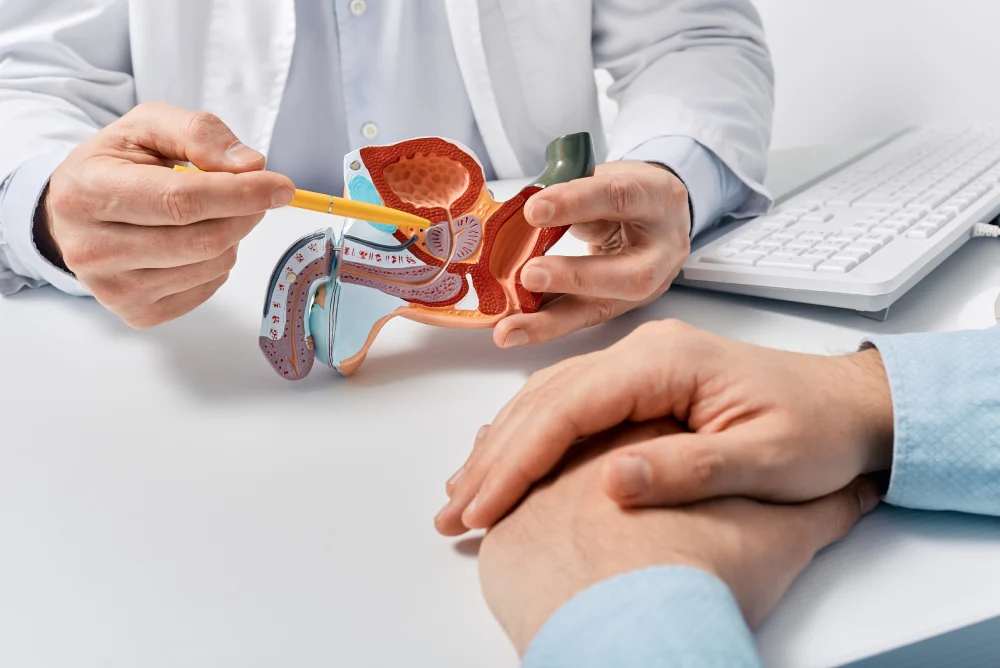
Get Personalised Prostate Cancer Care at Tan Urology
Choosing the right prostate cancer treatment involves careful assessment, review of diagnostic findings and collaboration between specialists to recommend the most appropriate management approach. Early assessment allows your specialist to discuss the available treatment options and recommend an approach based on your individual condition, treatment goals and overall health.
At Tan Urology, we support patients through every stage of their prostate cancer journey, from diagnosis to long-term follow-up. Our consultant urologists, Dr Lincoln Tan and Dr Robert Tan Tin Kiat, provide personalised care based on each patient’s condition and goals while working closely with other specialists when needed. If you have been diagnosed with prostate cancer or wish to explore your options, book an appointment for a comprehensive evaluation and discussion of the treatment options most suitable for your condition.
FAQs About Personalised Prostate Cancer Treatment
Will I need a second opinion before starting prostate cancer treatment?
▶
Seeking a second opinion can help you better understand your diagnosis and treatment options, particularly if more than one approach is suitable. It can provide reassurance that the recommended treatment aligns with current clinical practice and your personal priorities.
How quickly do I need to decide on prostate cancer treatment?
▶
The timeframe depends on how aggressive the cancer is. Many localised prostate cancers do not require immediate treatment, allowing time to discuss your options and seek a second opinion if desired. However, higher-risk or more advanced cancers may require earlier treatment so it is important to follow your specialist's recommendations.
Can I continue working while undergoing prostate cancer treatment?
▶
Many patients are able to continue working during treatment but this depends on the type of treatment received, potential side effects and the physical demands of your job. Your specialist can advise when you may need time off and what to expect during recovery.
How often will I need follow-up after prostate cancer treatment?
▶
Regular follow-up is an important part of long-term care. This usually includes PSA blood tests and periodic consultations to monitor your recovery and detect any signs of recurrence. The frequency of follow-up depends on the type of treatment you receive and your individual risk profile.
If my prostate cancer returns after treatment, what are my options?
▶
A recurrence does not necessarily mean that treatment options have been exhausted. Depending on where the cancer returns and your previous treatment, treatment options such as further surgery, radiation therapy, hormone therapy or other treatments may still be appropriate. Your specialist will recommend the most suitable next steps based on your individual situation.
Meet Our Urologists

Dr Lincoln Tan
MBBS, MRCS(Edin), MMED(Surg), FRCS(Urol)(RCPSG), FAMS(Urol)
Dr Lincoln Tan is experienced in managing a wide range of urological conditions, with particular expertise in minimally invasive laparoscopic and robotic-assisted surgery. He is actively involved in advancing evidence-based approaches to improve diagnostic accuracy and clinical decision-making. As principal investigator in the first local study validating the Prostate Health Index for cancer risk assessment, he has contributed to reducing unnecessary biopsies and has been among the clinical leads introducing freehand, office-based transperineal biopsies in Singapore. Dr Tan is committed to comprehensive, patient-centred urological care.
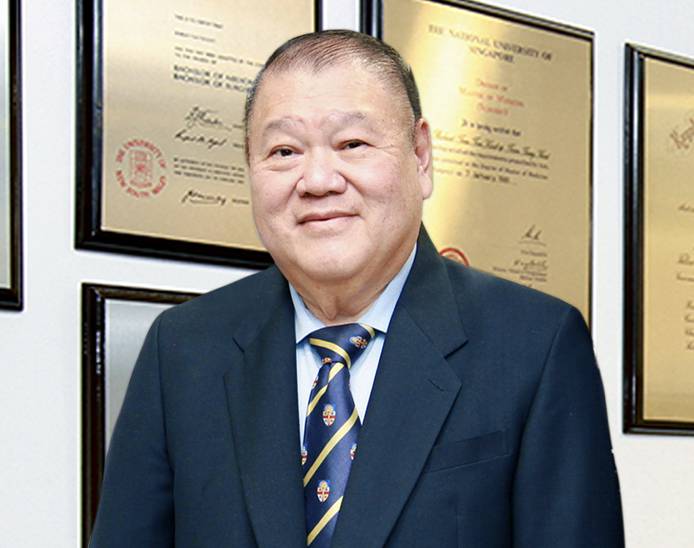
Dr Robert Tan Tin Kiat
BSC(Monash), MBBS(NSW), FRCS(Glasgow), FRACS, MMED(Surgery), FAMS(Urol)
Dr Robert Tan has over 35 years of experience in the diagnosis and management of a wide range of urological conditions. As one of the first urologists in Singapore to perform transurethral resection of the prostate, he has played a key role in advancing minimally invasive urological care. A founding member of the Singapore Urological Association, Dr Tan is also a local pioneer in non-invasive urinary stone treatment, including extracorporeal shockwave lithotripsy. His practice emphasises careful assessment and personalised care supported by appropriate medical technology.