


MBBS, MRCS(EDIN), MMED(SURG), FRCS(UROL) (RCPSG), FAMS(UROL)

BSC(Monash), MBBS(NSW), FRCS(Glasgow), FRACS, MMED(Surgery), FAMS(Urol)
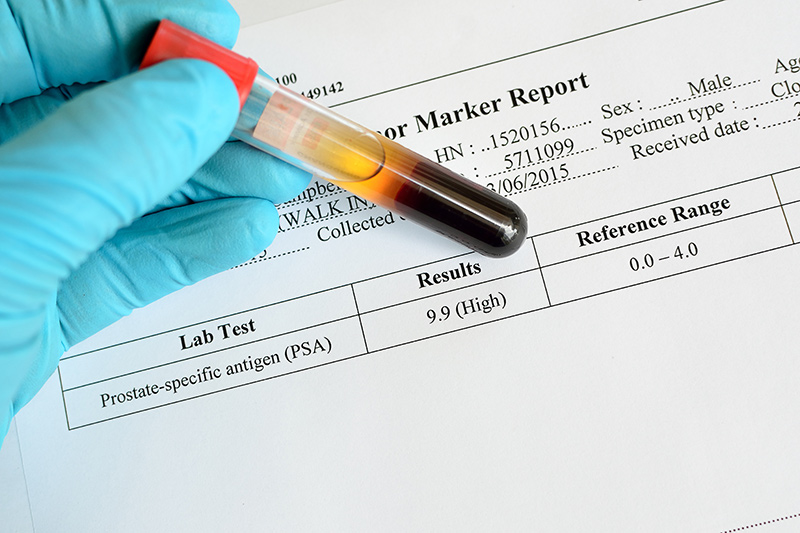
A PSA test is one of the most commonly used tools for assessing prostate health and screening for possible prostate cancer. When interpreted alongside a patient's symptoms and medical history, it can help identify prostate abnormalities and determine whether further evaluation or treatment may be needed.
Understanding what your PSA results mean can support earlier detection and more informed decision-making for your long-term prostate health.
What Is a PSA Test?
PSA, or prostate-specific antigen, is a protein produced by the prostate gland. Small amounts of PSA normally circulate in the bloodstream, but PSA levels can increase when there are changes or abnormalities affecting the prostate.
A PSA test is a simple blood test used to measure the amount of PSA in the blood. During the test, your doctor will take a small blood sample and send it for a laboratory analysis.
This test is commonly performed as part of prostate cancer screening, particularly in men with urinary symptoms, a family history of prostate cancer or age-related prostate concerns. PSA testing may also be used to monitor existing prostate conditions or track treatment response after prostate cancer management.
Why Might You Need a PSA Test?
You may need a PSA test if:
- You are considering prostate cancer screening based on your age or risk factors
- You have a family history of prostate cancer
- You are undergoing routine prostate health screening
- You have previously been diagnosed with benign prostate enlargement (BPH) or prostatitis
- You require monitoring after prostate cancer treatment
When Are PSA Test Results Concerning?
PSA test results may become concerning when PSA levels are higher than expected, rising more rapidly over time or appear abnormal based on a patient's age and overall risk profile. However, an elevated PSA level does not automatically mean prostate cancer is present.
Higher PSA levels can also be associated with several non-cancerous prostate conditions, including benign prostate enlargement (BPH), prostatitis or urinary tract infections. In some cases, temporary factors such as recent ejaculation, cycling or certain medical procedures may also affect PSA readings.
Because of this, PSA results are usually interpreted together with other clinical factors such as symptoms, prostate size, medical history and additional imaging or laboratory findings. This helps urologists determine whether further investigation, monitoring or treatment may be necessary.
What Happens If Your PSA Results Are Abnormal?
If your PSA results are abnormal, additional tests or investigations may be needed to determine the underlying cause.
To better assess your prostate health, your urologist may recommend further evaluation such as:
- Repeat PSA testing to monitor changes over time
- A digital rectal examination (DRE) to assess the prostate gland
- Urine tests to check for infection or inflammation
- MRI prostate imaging to identify suspicious areas within the prostate
- Additional blood tests such as the Prostate Health Index (phi) to improve risk assessment
These additional tests help provide a more accurate understanding of whether further monitoring, treatment or a prostate biopsy may be necessary.
How Urologists Further Improve PSA Screening Accuracy

PSA testing remains one of the most important tools used in the early detection and monitoring of prostate cancer. However, advances in prostate screening now allow urologists to assess PSA results with greater precision and better distinguish between lower-risk prostate conditions and clinically significant prostate cancer.
One of these advances is the Prostate Health Index (phi), an advanced blood test that combines multiple PSA markers into a single score to provide a more accurate assessment of prostate cancer risk. Compared to standard PSA testing alone, phi may help improve the detection of clinically significant prostate cancer while reducing the need for further biopsy screening in patients with lower-risk findings.
Visiting a Urologist for an Early Prostate Screening in Singapore

Prostate cancer may not always cause noticeable symptoms in its earlier stages, which is why regular screening and accurate risk assessment can play an important role in detecting potential abnormalities before they become more advanced. Methods such as PSA tests can help identify changes in prostate health earlier, allowing patients to undergo further evaluation and treatment where necessary.
At Tan Urology, our urology clinic in Singapore, we utilise advanced prostate screening approaches such as phi testing, MRI prostate imaging and detailed PSA interpretation to provide a more comprehensive assessment of prostate health, while also distinguishing between lower-risk conditions and clinically significant prostate cancer. Dr Lincoln Tan, our consultant urologist, has extensive experience in conducting PSA tests in Singapore, having published the first local study validating the use of phi in obtaining more accurate and individualised results.
If you are experiencing symptoms, considering a routine prostate cancer screening or looking for a more comprehensive assessment of your prostate health, contact us today to arrange a consultation with our team.
Meet Our Urologists

Dr Lincoln Tan
MBBS, MRCS(Edin), MMED(Surg), FRCS(Urol)(RCPSG), FAMS(Urol)
Dr Lincoln Tan is experienced in managing a wide range of urological conditions, with particular expertise in minimally invasive laparoscopic and robotic-assisted surgery. He is actively involved in advancing evidence-based approaches to improve diagnostic accuracy and clinical decision-making. As principal investigator in the first local study validating the Prostate Health Index for cancer risk assessment, he has contributed to reducing unnecessary biopsies and has been among the clinical leads introducing freehand, office-based transperineal biopsies in Singapore. Dr Tan is committed to comprehensive, patient-centred urological care.

Dr Robert Tan Tin Kiat
BSC(Monash), MBBS(NSW), FRCS(Glasgow), FRACS, MMED(Surgery), FAMS(Urol)
Dr Robert Tan has over 35 years of experience in the diagnosis and management of a wide range of urological conditions. As one of the first urologists in Singapore to perform transurethral resection of the prostate, he has played a key role in advancing minimally invasive urological care. A founding member of the Singapore Urological Association, Dr Tan is also a local pioneer in non-invasive urinary stone treatment, including extracorporeal shockwave lithotripsy. His practice emphasises careful assessment and personalised care supported by appropriate medical technology.