




MBBS, MRCS(EDIN), MMED(SURG), FRCS(UROL) (RCPSG), FAMS(UROL)

BSC(Monash), MBBS(NSW), FRCS(Glasgow), FRACS, MMED(Surgery), FAMS(Urol)
If you’ve been experiencing frequent urination, weak urine flow, or difficulty emptying your bladder, these could be signs of benign prostatic hyperplasia (BPH), a common condition affecting many men as they age. When medication or lifestyle changes aren’t enough, surgery may be recommended to relieve symptoms and improve quality of life.
Two of the most common surgical options are transurethral resection of the prostate (TURP) and laser prostate surgery. While both aim to reduce the enlarged prostate tissue causing your symptoms, they differ in technique, recovery time, and suitability depending on your health. In this guide, we’ll break down how each procedure works, as well as the benefits and potential drawbacks. Keep reading to understand which option may be the right one for you.
What Is Transurethral Resection of the Prostate (TURP)?
Transurethral resection of the prostate (TURP) has long been considered the standard surgical treatment for benign prostatic hyperplasia (BPH) and has been used for decades in clinical practice. It remains a commonly performed procedure, particularly for men with moderate to severe prostate enlargement.
The procedure is typically carried out under general or spinal anaesthesia. Once you are comfortable, the surgeon inserts a slender instrument known as a resectoscope through the urethra to access the prostate. Using an electrical loop at the tip of the instrument, small sections of the enlarged prostate tissue that are obstructing urine flow are carefully removed.
After the obstructing tissue has been resected, the fragments are flushed out of the bladder. To support healing and maintain drainage, a temporary urinary catheter is then inserted and kept in place for the initial recovery period.
What Is Laser Prostate Surgery?
Laser prostate surgery refers to a group of minimally invasive techniques that use high-powered lasers to remove or vaporise excess prostate tissue. Common procedures include holmium laser enucleation of the prostate (HoLEP) and photoselective vaporisation of the prostate (PVP).
The procedure is performed by inserting a cystoscope through the urethra, allowing the surgeon to guide a laser fibre to the prostate. The laser is then used to vaporise obstructing tissue or, in the case of HoLEP, remove the enlarged inner portion of the gland. As the laser seals blood vessels during tissue removal, bleeding is typically minimal. A temporary urinary catheter is placed at the end of the procedure to support drainage, often for a shorter period than after TURP, which contributes to a faster initial recovery for many patients.
Benefits of TURP and Laser Prostate Surgery
The decision between TURP and laser surgery often depends on the patient’s overall health, prostate size, and personal preferences. Here’s a closer look at the advantages of each.
Advantages of TURP
Despite the rise of newer laser techniques, TURP continues to play an important role in the treatment of benign prostatic hyperplasia. The following are the benefits you can expect:
- Established Track Record: TURP has been performed for decades and is backed by extensive clinical experience. Its outcomes and long-term results are well understood, making it a dependable choice for many patients.
- Wide Availability: TURP is widely offered across most surgical centres in Singapore and internationally. Surgeons are also highly familiar with the procedure, and the required equipment is readily available.
- Lower Cost: In certain healthcare settings, the overall enlarged prostate surgery cost for TURP may be lower compared to laser procedures, which often involve specialised equipment and single-use components.
Laser Prostate Surgery
Laser prostate surgery has gained popularity in recent years, particularly for patients seeking a less invasive option with a quicker recovery. Here are some of its benefits:
- Minimal Bleeding: The laser seals blood vessels as prostate tissue is removed, resulting in minimal bleeding during and after surgery. This can be especially advantageous for men with heart conditions or those who need to continue blood-thinning medication.
- Shorter Hospital Stay: Many patients are able to return home within 24 hours, and sometimes even on the same day, making laser surgery appealing for those who prefer a shorter hospitalisation.
- Less Invasive: By using fine instruments and light energy rather than electrical cutting, laser procedures are generally gentler on the urinary tract and surrounding tissues.
- Faster Recovery: With less trauma to the body, patients often experience a quicker return to daily activities compared to traditional surgery.
Recovery After TURP and Laser Prostate Surgery
Recovery is often a key consideration when deciding between TURP and laser prostate surgery. While both procedures are effective, the pace and experience of recovery can differ, which may influence your choice depending on lifestyle, work demands and overall health.
Recovery Following TURP
After TURP, a hospital stay of around two to three days is usually required. This allows for continuous bladder irrigation, which helps flush out blood and reduces the risk of clot formation. A urinary catheter is kept in place during this period and is removed once the urine has cleared sufficiently.
Most men are able to gradually return to normal daily activities within four to six weeks. As some bleeding can occur during the healing phase, it is important to follow your urologist’s aftercare instructions closely and to watch for symptoms such as persistent bleeding, fever or difficulty urinating.
Laser Prostate Surgery
Recovery following laser prostate surgery is generally quicker and more straightforward. The urinary catheter is often removed within 12 to 48 hours, and many patients are discharged shortly after the procedure.
Mild discomfort, urinary urgency or frequency may be experienced in the first few weeks, but these symptoms usually settle as healing progresses. Many men can return to light activities within a week, although strenuous exercise and heavy lifting should be avoided for about a month. The lower risk of bleeding associated with laser techniques is a key reason for this faster recovery timeline.
Choosing the Right Treatment for Your BPH
Deciding between TURP and laser surgery is highly individualised. While modern laser procedures offer a less invasive approach and quicker recovery, TURP remains an effective option, especially for certain clinical scenarios or larger prostates.
If you are considering treatment for BPH, consulting a prostate specialist is an important next step. A personalised evaluation ensures your care is tailored to your condition and overall health. Book a consultation with our urology team to discuss your treatment options today.
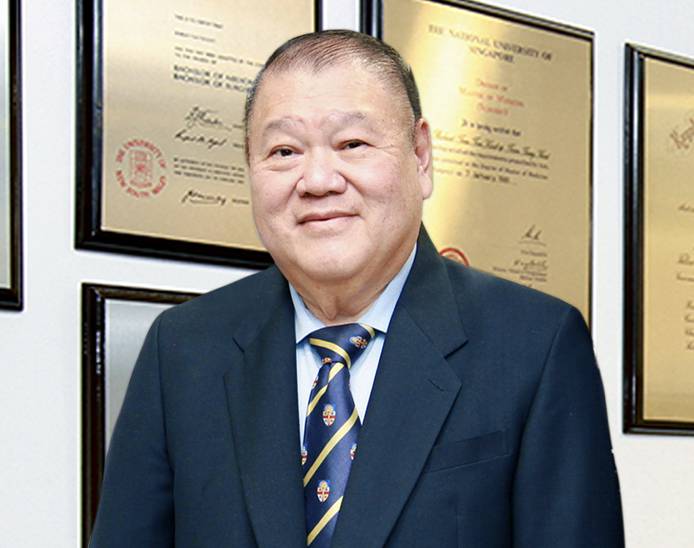
Dr Robert Tan Tin Kiat
Dr Robert Tan is a consultant urologist with more than 35 years of clinical experience. He began his career at Tan Tock Seng Hospital, where he was involved in the early use of Transurethral Resection of the Prostate (TURP), a procedure that continues to be widely used for the management of BPH. Since 1984 he has been in private practice at Gleneagles Hospital, caring for a broad range of patients over the years. Dr Tan is also one of the founding members of the Singapore Urological Association.

Dr Lincoln Tan
Dr Lincoln Tan is a consultant urologist and accredited robotic surgeon practising at Mount Elizabeth Hospital. Before joining Tan Urology, he served as director of Urologic Oncology at the National University Hospital and the National Cancer Institute of Singapore, where he continues as a visiting consultant. He is trained across the full spectrum of urology, with a focus on minimally invasive techniques, including laparoscopic and robotic-assisted surgery for prostate and kidney cancers.