


MBBS, MRCS(EDIN), MMED(SURG), FRCS(UROL) (RCPSG), FAMS(UROL)

BSC(Monash), MBBS(NSW), FRCS(Glasgow), FRACS, MMED(Surgery), FAMS(Urol)
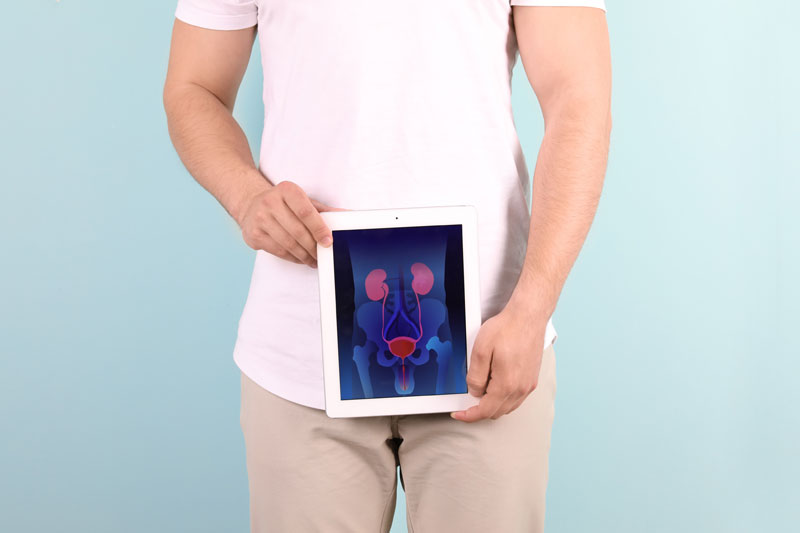
Prostate screening is often carried out to identify potential conditions before they worsen or cause uncomfortable symptoms. The right time to go for a screening depends on a variety of factors, rather than being a one-size-fits-all process. Factors such as age, family history and overall risk profile all play a role in determining when screening may be appropriate.
Understanding how prostate screening works and what it is designed to detect can help you make more informed decisions about your health. Even if you are not within the recommended age bracket for routine screenings, symptoms and risk factors may make it a good idea to consult a urologist for an assessment.
Who Should Consider Prostate Screening?
Prostate screening is generally recommended as a routine procedure for older men, as the risk of prostate-related conditions tends to increase with age. Many men begin discussing screening with a doctor from around the age of 50, even if they do not have any noticeable symptoms.
Men with a family history of prostate cancer may face a higher risk of prostate-related conditions. These individuals may benefit from earlier or more regular screening. In such cases, a doctor may advise screening at a younger age based on individual risk factors and the presence of any symptoms.
Men who are experiencing ongoing urological concerns should also consider prostate screening for further evaluation.
Seeking medical advice from a urology specialist in these situations allows for a more thorough assessment and helps determine whether screening or additional tests are needed.
Symptoms That May Indicate the Need for Prostate Screening
While prostate conditions do not always cause symptoms in their early stages, certain changes may signal the need for further evaluation. If you notice any of the following, it may be advisable to speak with a doctor:
- Frequent urination, especially at night: Needing to pass urine more often than usual, particularly during sleep hours
- Difficulty starting urination: Trouble initiating urine flow despite feeling the urge to go
- Weak or interrupted urine stream: Reduced flow strength or stopping and starting during urination
- Pain or discomfort during urination: Burning or pain when passing urine
- Blood in urine or semen: Presence of visible blood, which should be assessed promptly
- Persistent pelvic or lower back discomfort: Ongoing pain in the lower back, hips or pelvic area
What Is Prostate Screening Designed to Detect?
Prostate screening is carried out to identify underlying conditions that may affect the prostate, whether or not they are causing noticeable symptoms. By detecting these issues early, doctors can better assess whether monitoring or further investigation is needed.
Prostate Cancer
In many cases, prostate cancer develops slowly and may not immediately cause noticeable changes, which is why screening plays an important role in identifying potential concerns early. Prostate screening may be able to detect cancer at an earlier stage, which allows for closer monitoring and, if necessary, a wider range of management options that can be tailored to the individual’s condition.
Benign Prostatic Hyperplasia (BPH)
Prostate screening can also help identify benign prostatic hyperplasia (BPH), a non-cancerous enlargement of the prostate that becomes more common with age. As the prostate enlarges, it may place pressure on the urethra and affect normal urinary function. While BPH is not cancerous, it can lead to bothersome urinary symptoms that impact daily life.
Prostatitis
In some cases, screening and evaluation may point towards prostatitis, which refers to inflammation or infection of the prostate. This condition can present with a range of symptoms, including discomfort, urinary issues or pelvic pain, and may sometimes be mistaken for other prostate conditions. A screening may allow a doctor to conclude that symptoms are being caused by an infection, which can help them recommend specific and suitable treatment methods.
What Tests Are Involved in Prostate Screening?
Prostate screening typically involves a combination of initial assessments that help evaluate prostate health and determine whether further investigation is needed.
Prostate-Specific Antigen (PSA) Blood Test
Prostate screening often includes measuring prostate-specific antigen levels through a blood test. PSA is a protein produced by the prostate, and elevated or fluctuating levels may indicate that further evaluation is needed. While higher PSA levels do not necessarily mean cancer is present, they can signal underlying changes in the prostate, such as enlargement, inflammation or other abnormalities. Monitoring PSA trends over time helps guide clinical decisions and determine whether additional tests, such as imaging or biopsy, may be necessary.
Digital Rectal Examination (DRE)
A digital rectal examination allows the doctor to physically assess the prostate gland. During the examination, a gloved and lubricated finger is gently inserted into the rectum to feel for any irregularities in the size, shape or texture of the prostate. While the test is brief, it can provide useful information that may not be detected through blood tests alone.
Prostate MRI
A prostate MRI is an imaging test that provides detailed pictures of the prostate gland and surrounding tissues. It is often recommended when PSA levels are elevated or when there are abnormal findings on initial examination. MRI can help identify suspicious areas within the prostate, assess their size and location and guide decisions on whether a biopsy is necessary.
Prostate Biopsy
A prostate biopsy involves taking small samples of prostate tissue to be examined under a microscope. This is not a part of initial screening and is usually only recommended when there is a significant concern for prostate cancer based on PSA levels, physical examination or imaging findings. The procedure is typically performed using ultrasound or MRI guidance to ensure accurate sampling.
The Importance of Prostate Screening for Early Detection

Prostate cancer is one of the most common cancers affecting men, accounting for every 1 in 6 cancer cases. While this condition is prevalent, outcomes tend to be favourable when it is detected early. When detected at a localised stage, prostate cancer is highly manageable, with a 5-year survival rate remaining close to 100%.
This makes timely and risk-based prostate screening particularly important. By identifying potential issues before symptoms progress, screening allows for closer monitoring and, where necessary, earlier intervention with a broader range of management options. It also helps reduce uncertainty for individuals who may be at higher risk due to age, family history or ongoing symptoms.
If you are unsure whether you should begin screening or have concerns about your prostate health, seeking an evaluation from a urology specialist can provide a sense of clarity. At Tan Urology, we take a personalised approach to prostate health and screening. Consultant Urologist Dr Lincoln Tan provides thorough assessments based on your individual risk factors, symptoms and clinical findings, helping to guide appropriate screening and next steps for your care.
Contact us today to arrange a consultation and take the next step towards better urological health.
Meet Our Urologists

Dr Lincoln Tan
MBBS, MRCS(Edin), MMED(Surg), FRCS(Urol)(RCPSG), FAMS(Urol)
Dr Lincoln Tan is experienced in managing a wide range of urological conditions, with particular expertise in minimally invasive laparoscopic and robotic-assisted surgery. He is actively involved in advancing evidence-based approaches to improve diagnostic accuracy and clinical decision-making. As principal investigator in the first local study validating the Prostate Health Index for cancer risk assessment, he has contributed to reducing unnecessary biopsies and has been among the clinical leads introducing freehand, office-based transperineal biopsies in Singapore. Dr Tan is committed to comprehensive, patient-centred urological care.

Dr Robert Tan Tin Kiat
BSC(Monash), MBBS(NSW), FRCS(Glasgow), FRACS, MMED(Surgery), FAMS(Urol)
Dr Robert Tan has over 35 years of experience in the diagnosis and management of a wide range of urological conditions. As one of the first urologists in Singapore to perform transurethral resection of the prostate, he has played a key role in advancing minimally invasive urological care. A founding member of the Singapore Urological Association, Dr Tan is also a local pioneer in non-invasive urinary stone treatment, including extracorporeal shockwave lithotripsy. His practice emphasises careful assessment and personalised care supported by appropriate medical technology.